Summer at Grosvenor Lodge

By 9th August, 2025 Care Home, Events No Comments

Here at Grosvenor Lodge Care Home, summer is a season we treasure. The longer days and lighter evenings give us more opportunities to enjoy time together – whether that’s relaxing in our gardens, welcoming visitors, or trying something new from our lively calendar of events.

Fresh Air and Friendship

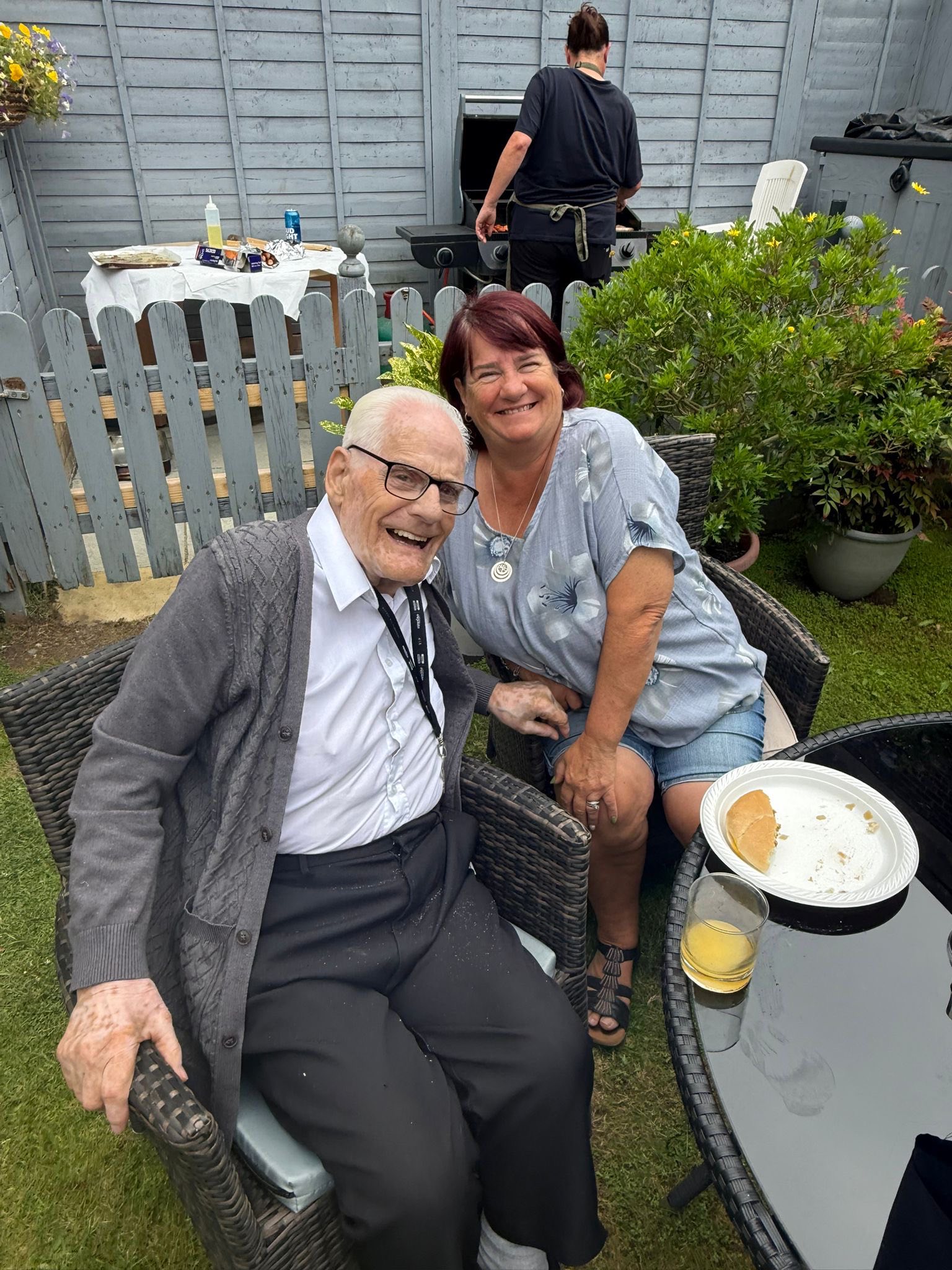
Our beautiful garden spaces are a favourite spot in the warmer months. Residents can often be found enjoying the summer blooms. We’ve also been hosting a number of outdoor activities, from lawn games to afternoon singalongs in the sunshine.

Music, Movement, and Mindfulness

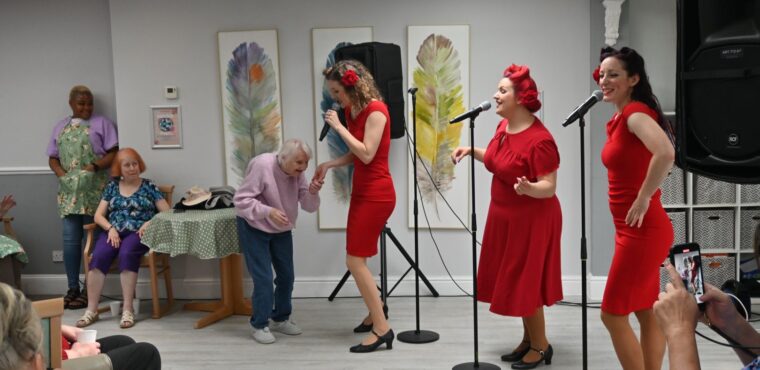
We know how uplifting music can be, so we’ve made sure to include plenty of it in our summer programme – from visiting singers who fill our lounge with familiar favourites, to lively group sessions that get everyone clapping and tapping along. Gentle exercise and mindfulness sessions are also a regular feature, helping to keep bodies active and minds at ease.

Tastes of the Season

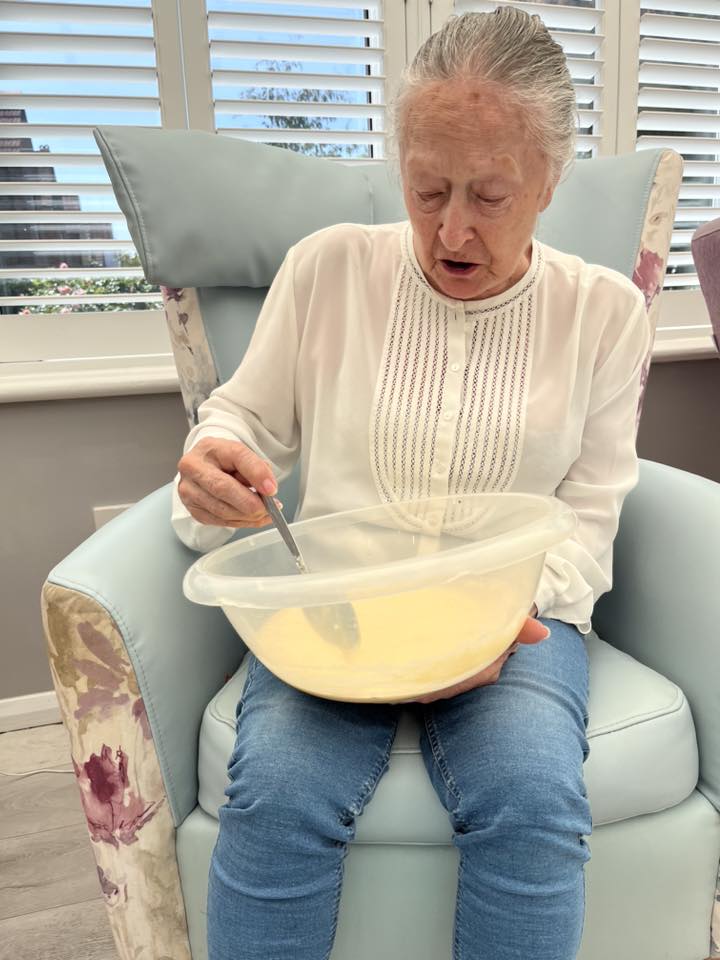
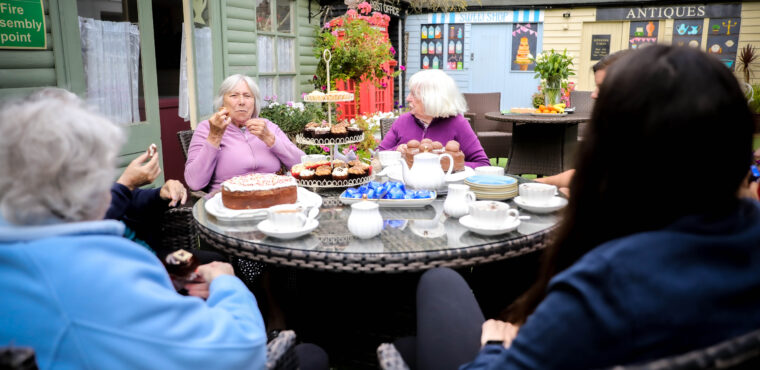
Our kitchen team have been busy creating fresh, seasonal menus – from crisp summer salads and fruit platters to classic afternoon teas served with homemade cakes. Dining together is an important part of life at Grosvenor Lodge, and there’s always room for a little extra treat when the weather is warm.

Creative Afternoons

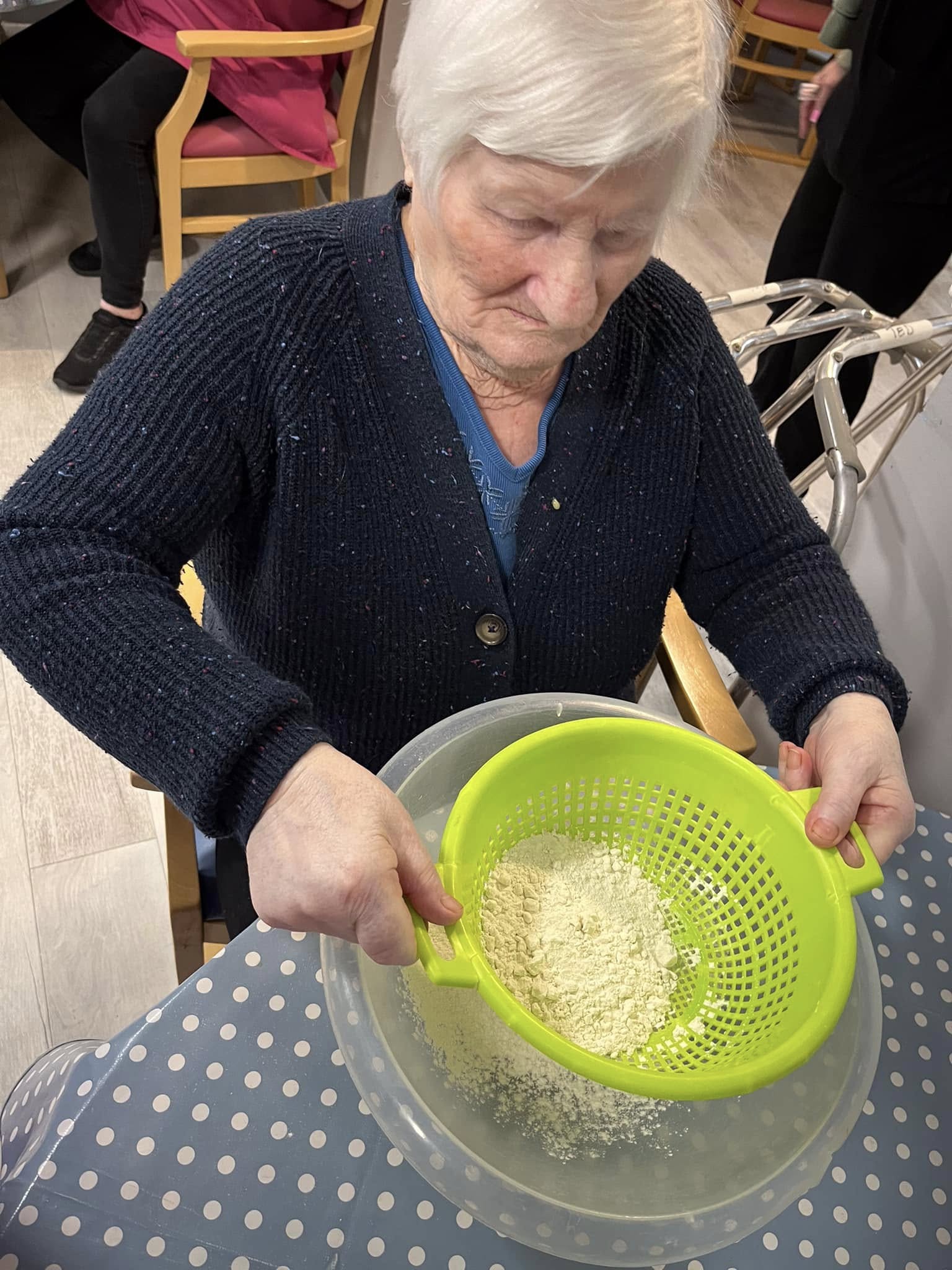
Arts and crafts sessions remain a much-loved favourite, with residents enjoying everything from painting and flower arranging to making keepsakes for loved ones. The joy of creating something by hand is matched only by the laughter and conversation that fill the room.

A Warm Welcome for All

Family and friends are always welcome at Grosvenor Lodge, whether it’s to join in an event, share a meal, or simply enjoy a cup of tea in the garden. Visitors bring fresh stories, smiles, and a wonderful energy that enriches our days.


A fun start to 2025

By 12th February, 2025 Care Home, Events No Comments

It has been a fantastic start to the year at Grosvenor Lodge. We have got out and about lots, including walks at Hove Rec and Hove Park (normally finished with a coffee in the café), shopping (also followed by coffee!) and some sea air with the Pedal People.

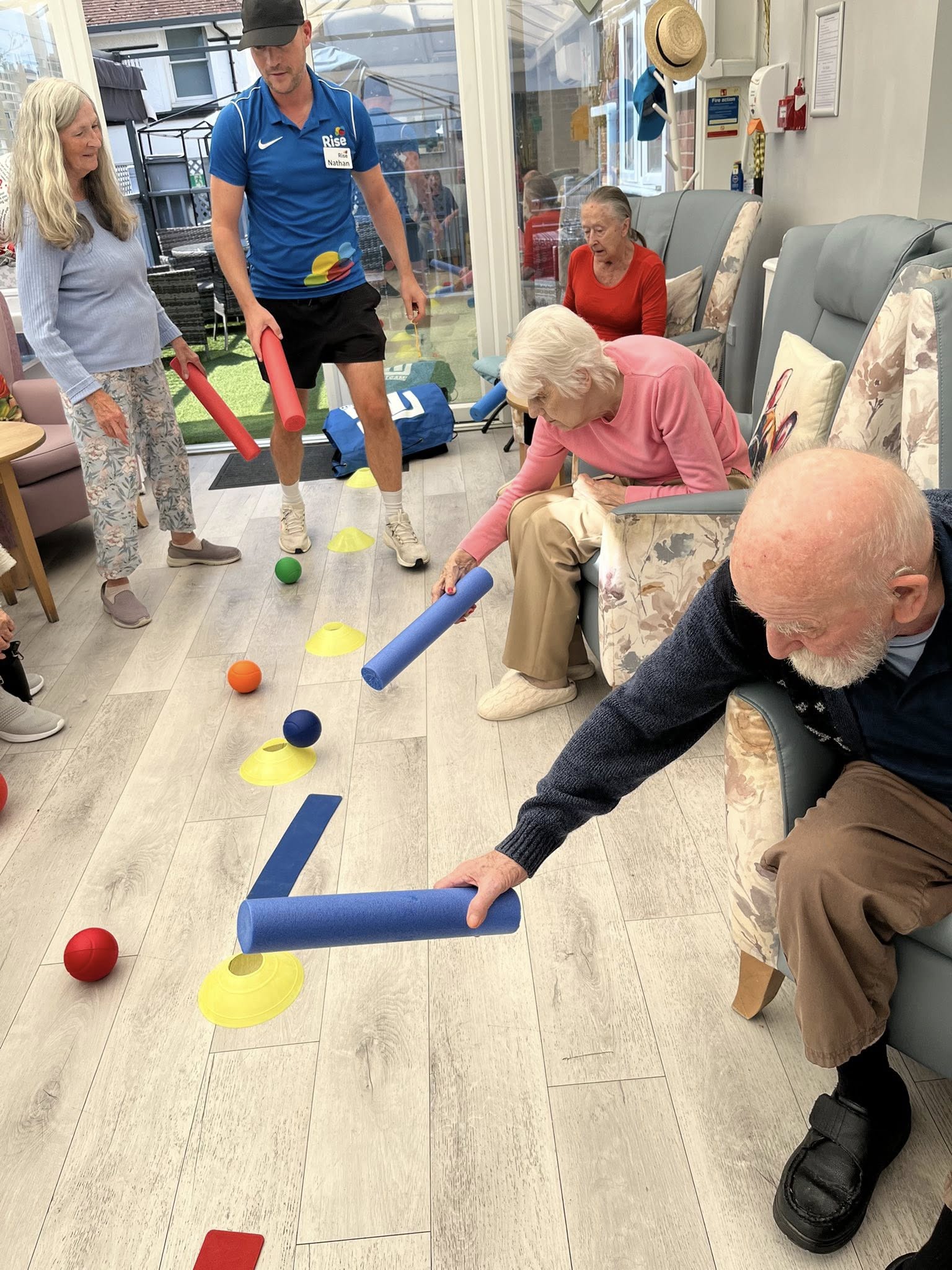
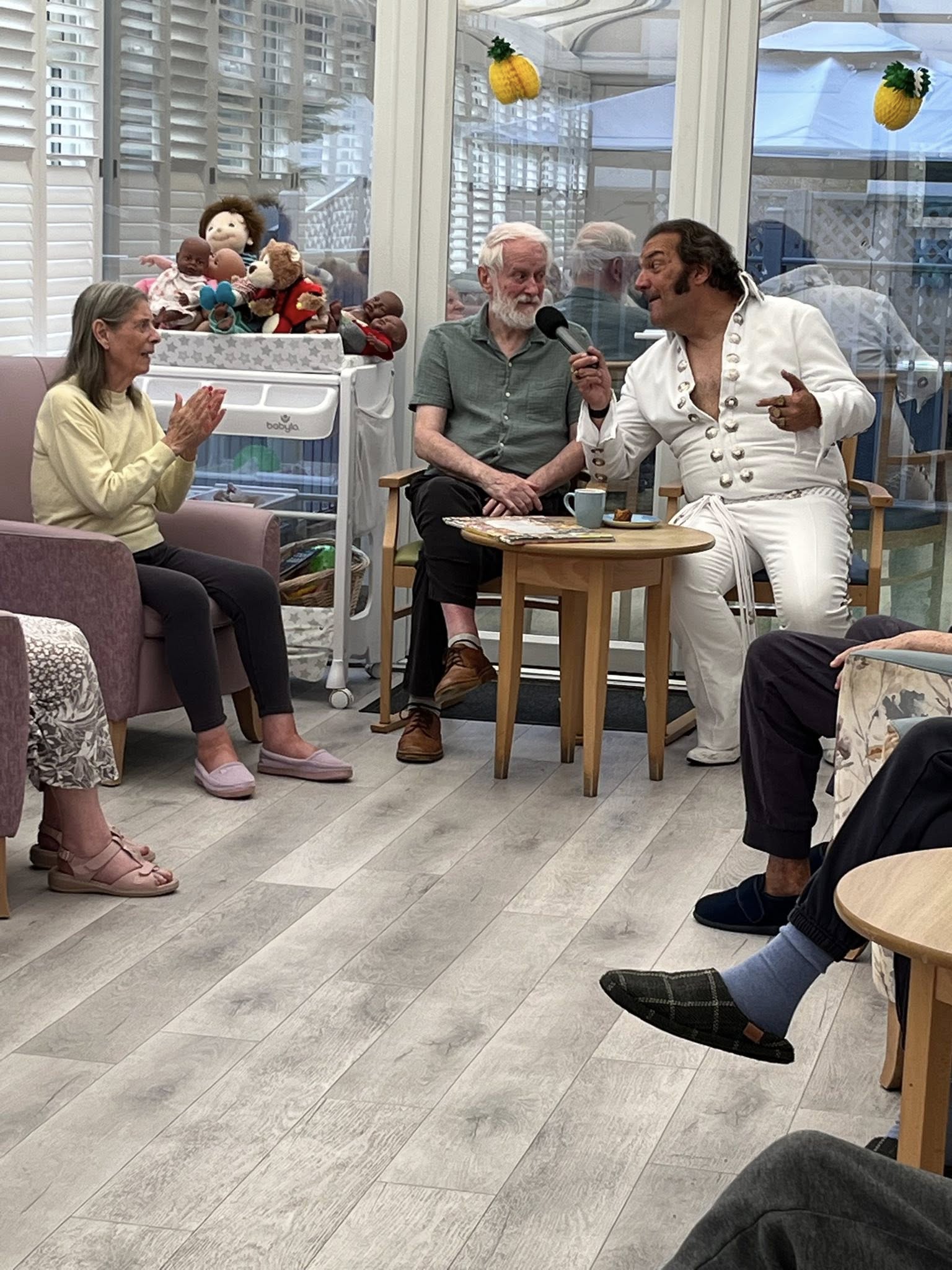
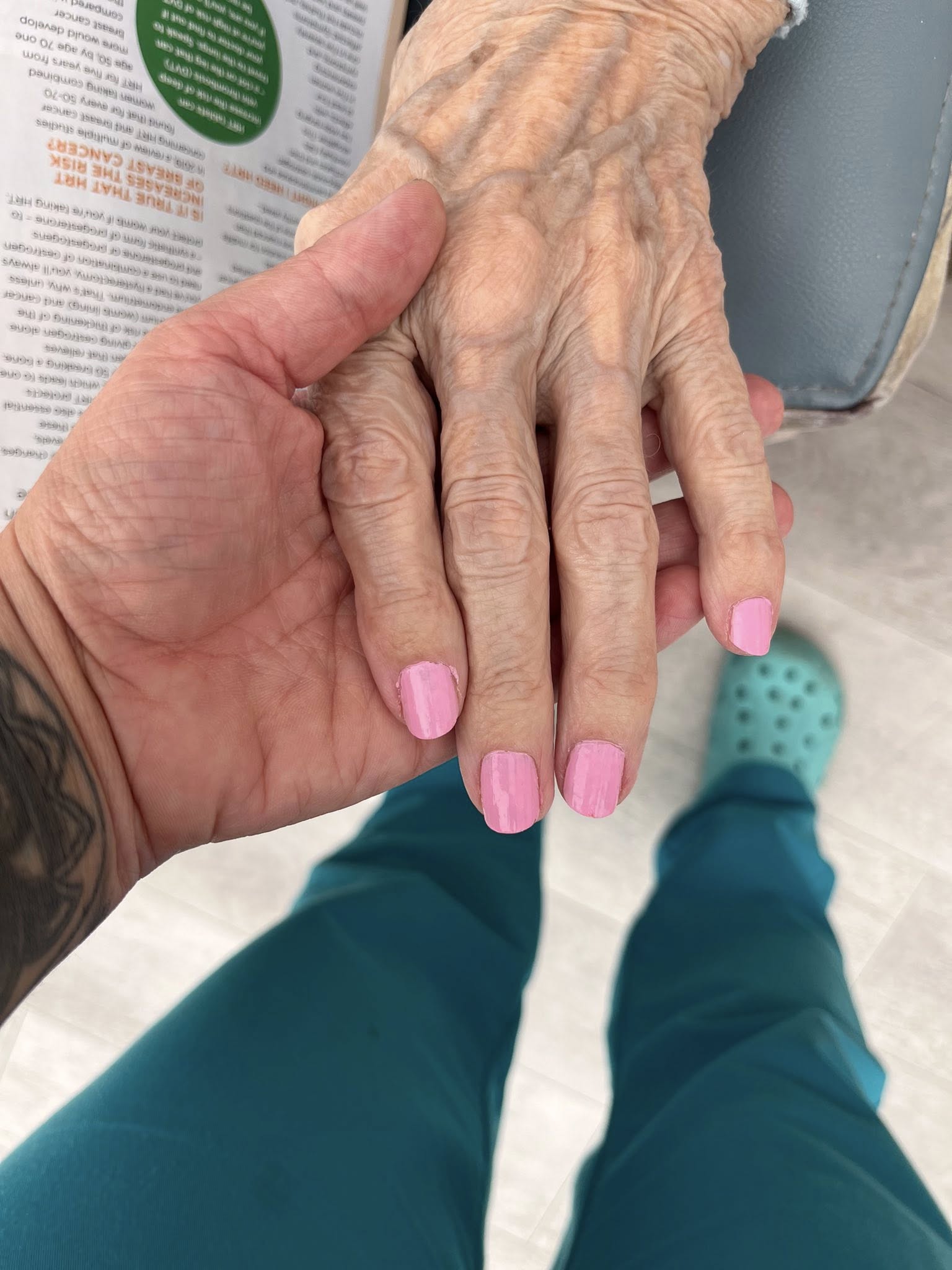
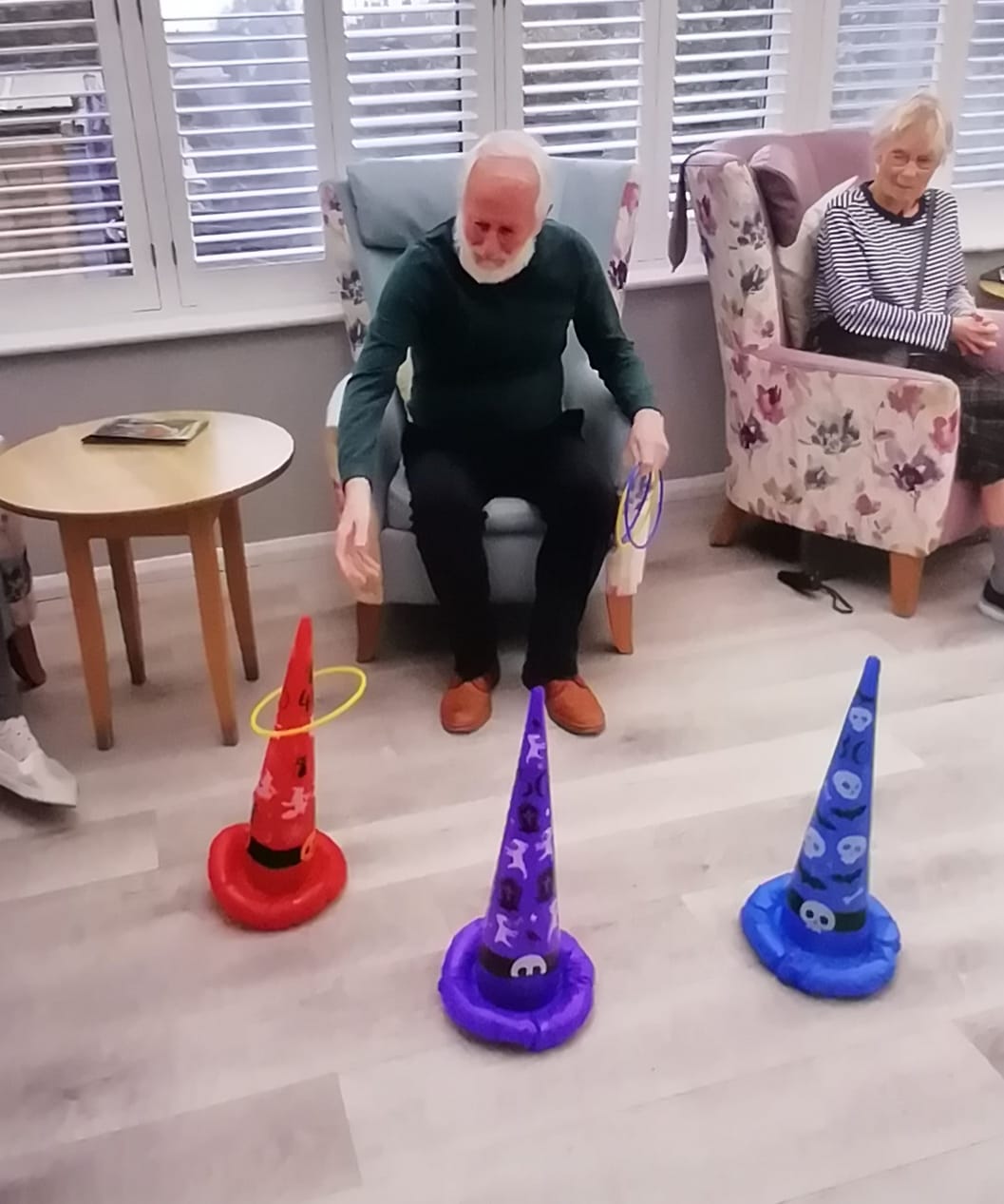
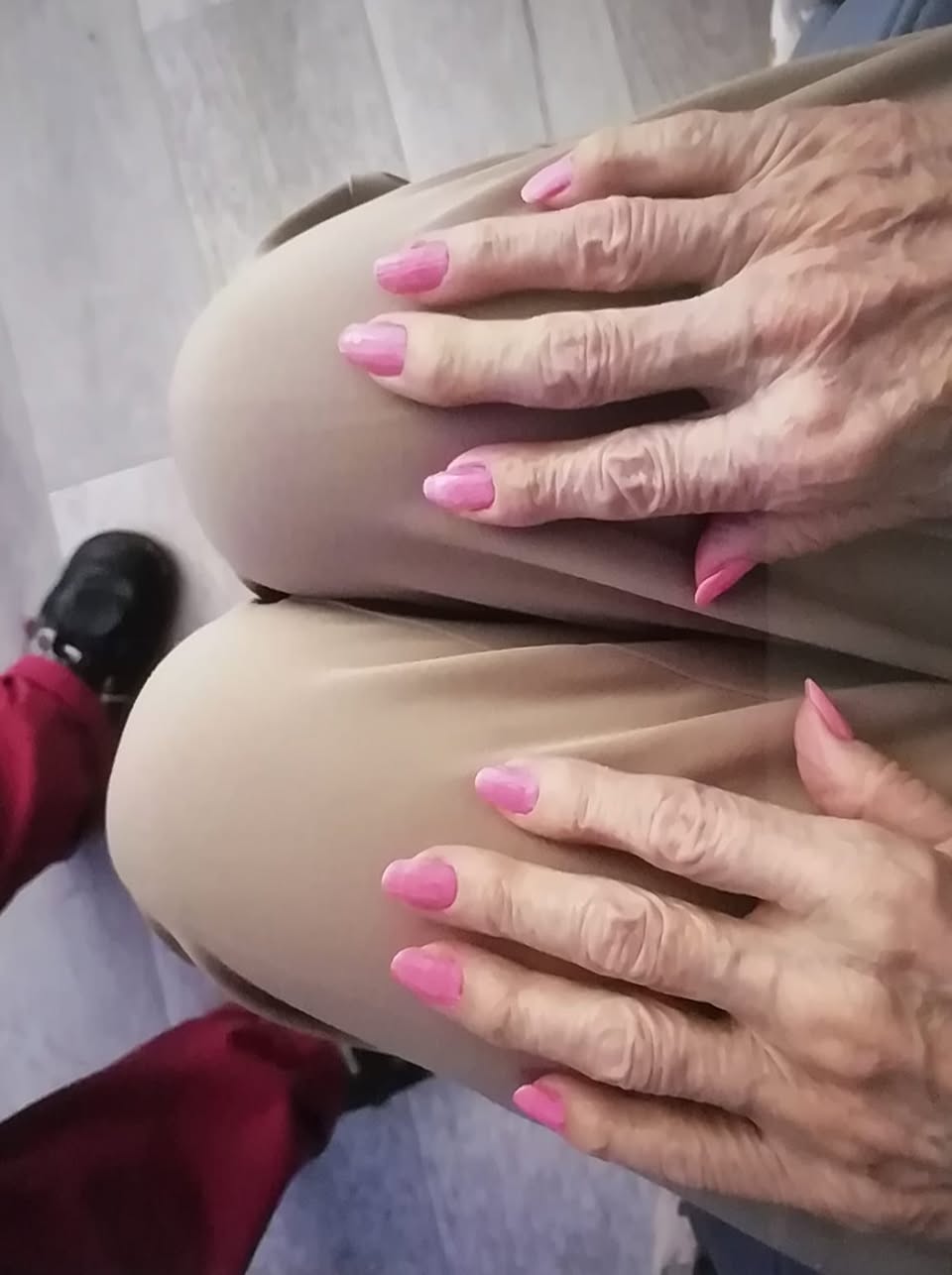
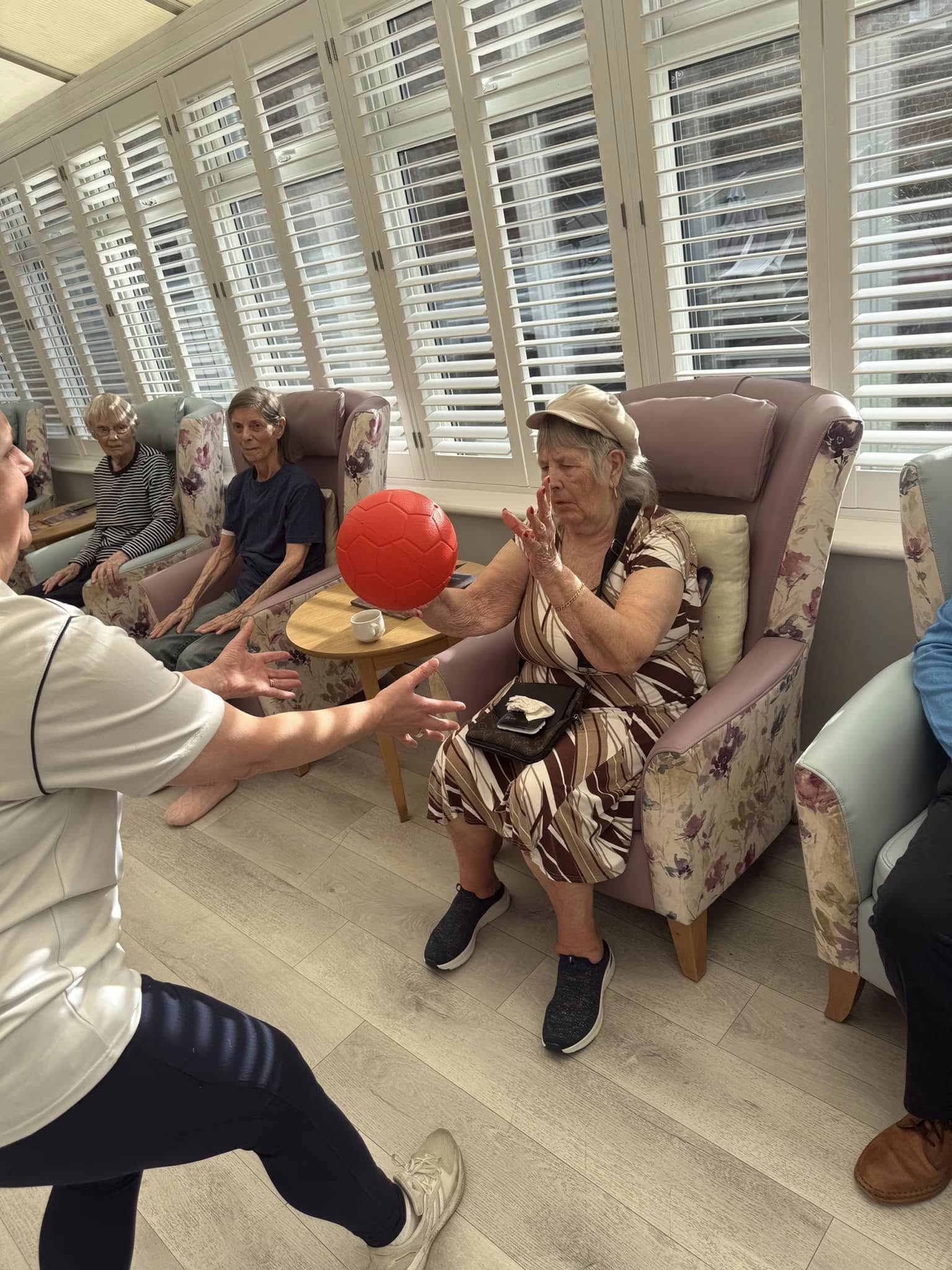
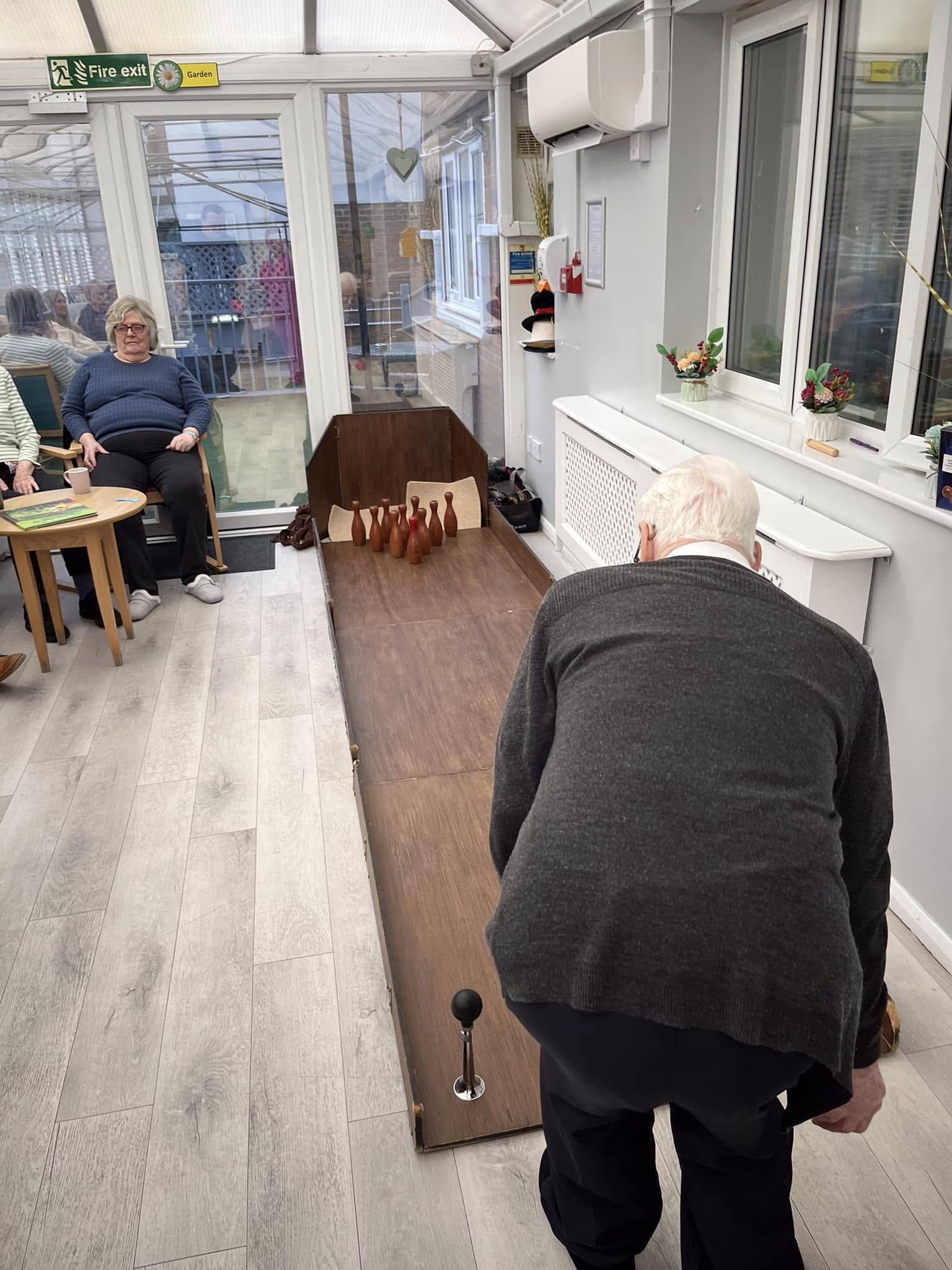
Back at home we have had lots of visitors including Andy with his bowling alley, Pam from Rise which involved netball and a winning team. We also had a visit from the King himself – Elvis (which required a pre-session pamper and lots of beautiful nails!)

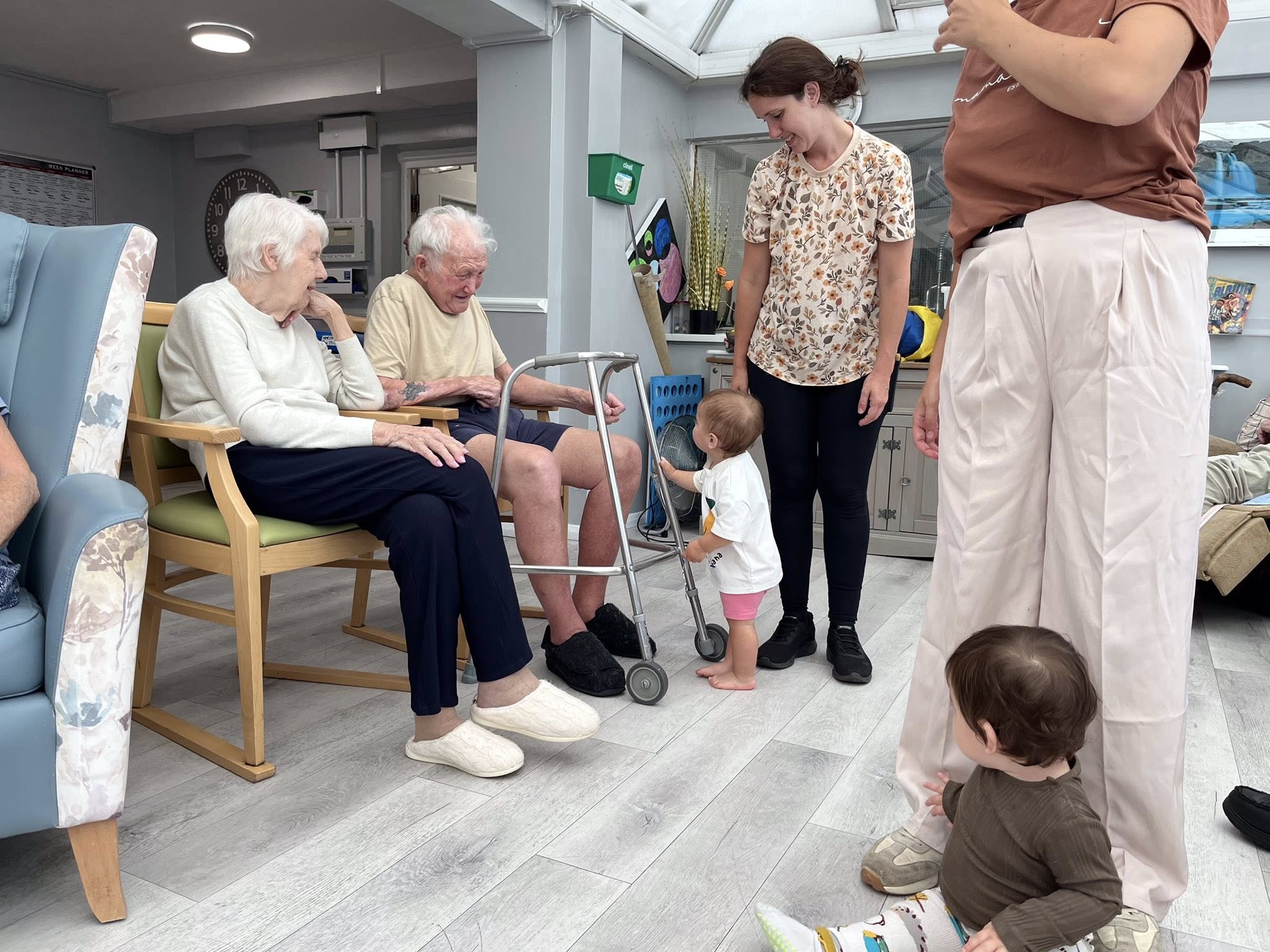
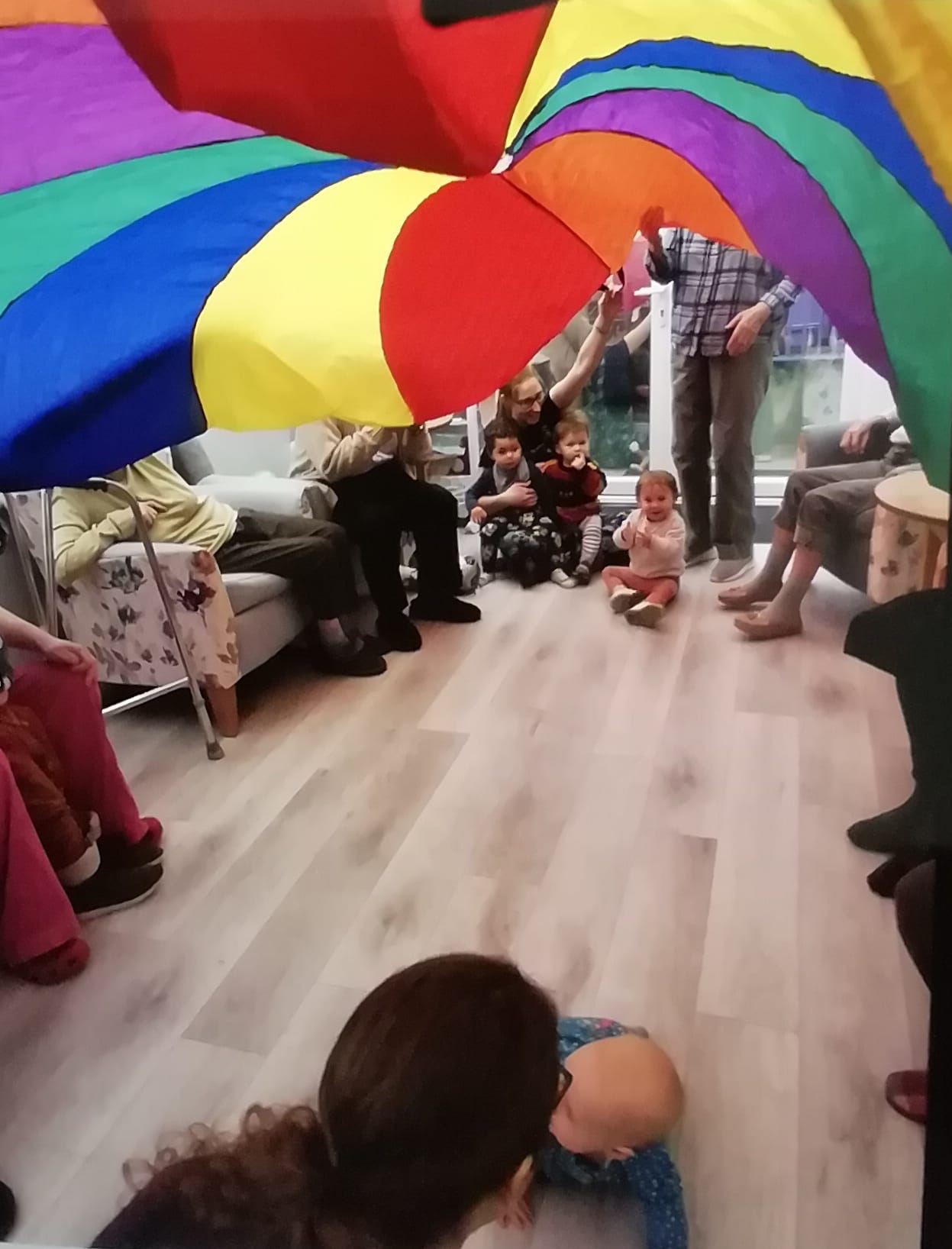
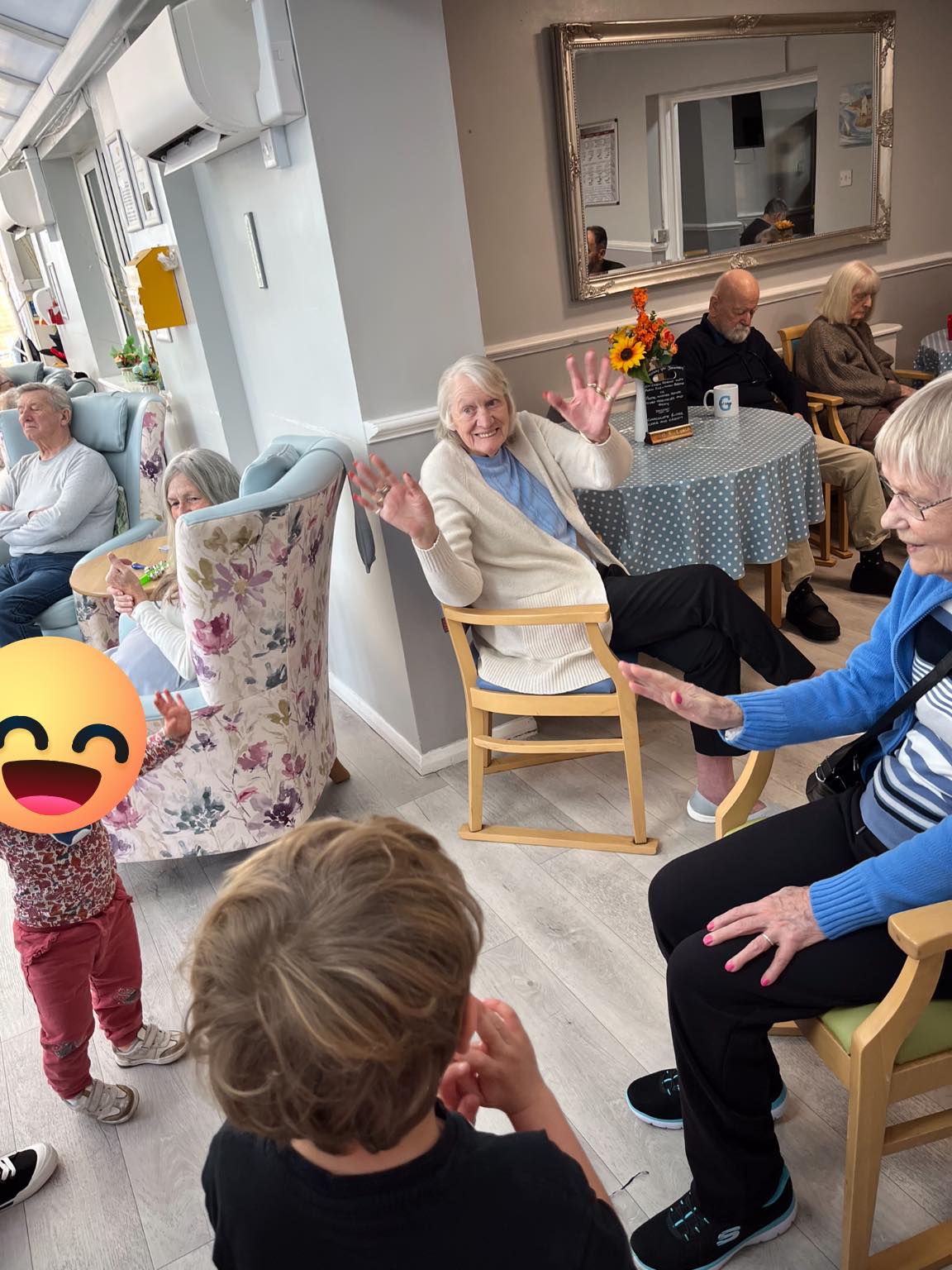
We love our regular visits from the baby club and look forward to getting the parachute out and seeing all the excitement, young and old!

We have also enjoyed arts and crafts. Art has the power to unlock memories and emotions, offering a gentle and meaningful connection for our residents living with Dementia.

Through colours, shapes, and expression, creativity becomes a bridge to moments of joy and comfort.


Happy New Year!

By 9th January, 2025 Care Home No Comments

Welcome to 2025!

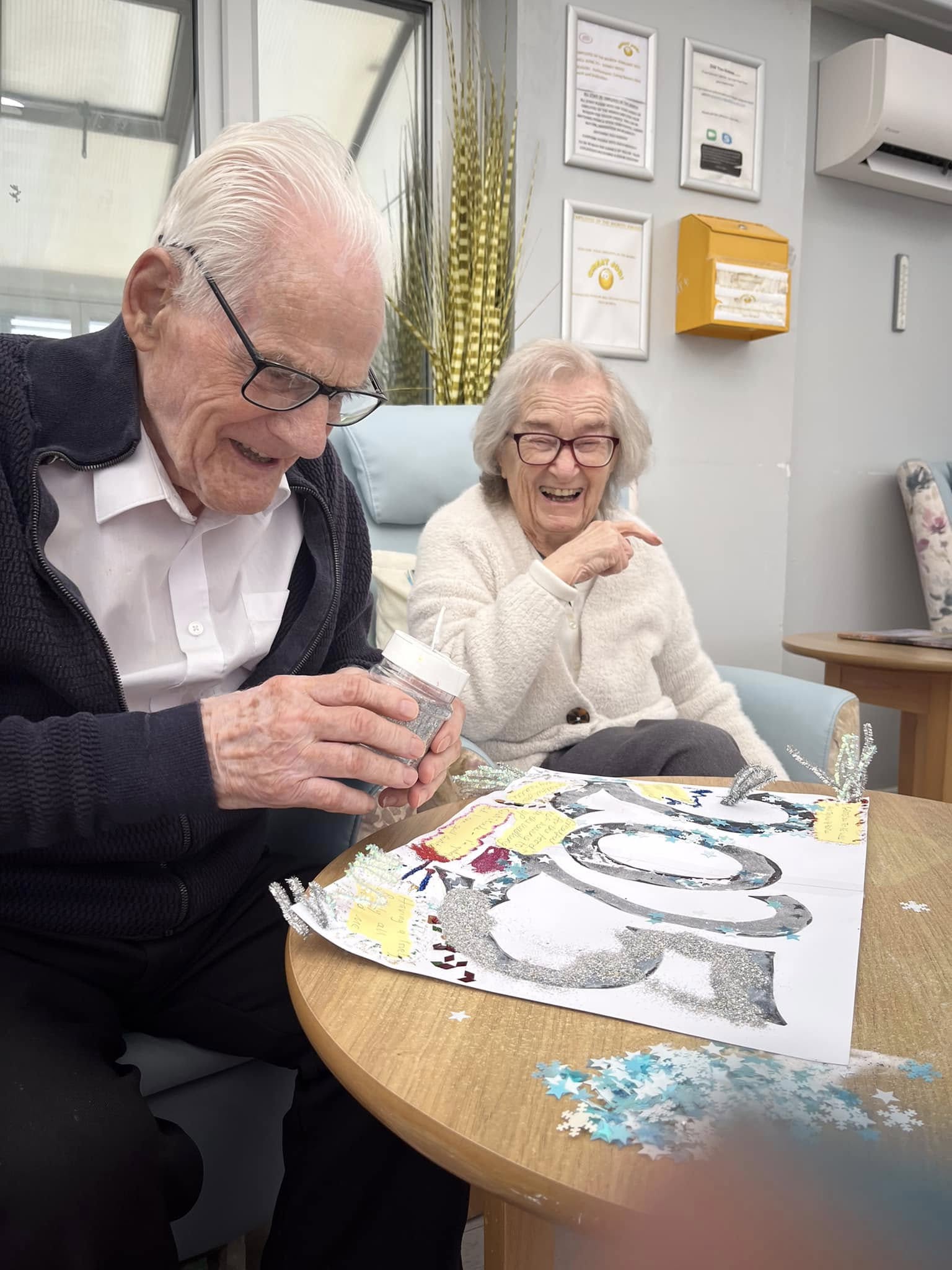
We have had a great start to the New Year. We were feeling glamorous after our post-Christmas pamper, with new nails all round! We made a gratitude tub during December where friends, family, staff and our residents added notes of what we feel grateful for. We decided to make this into a beautiful sign to welcome in the New Year. We all looked beautiful afterwards – covered in glitter!

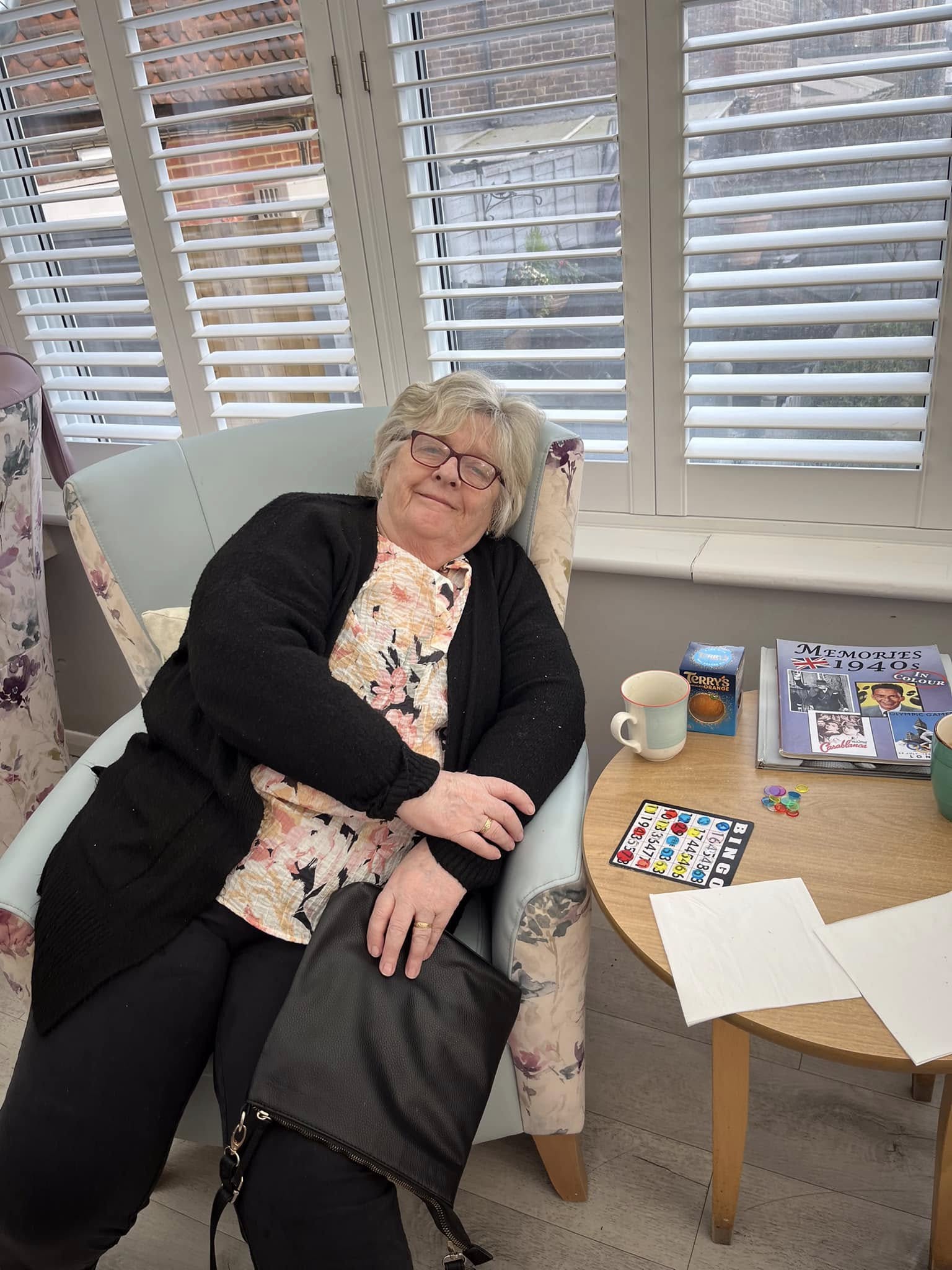
Over the last week we have enjoyed board games, bingo and our usual baby club, it has been a lovely start to 2025.

We’re looking forward to another year of life at Grosvenor, continuing our commitment to improving and enriching the lives of our residents.
Thank you to all our staff for your ongoing support.

The Healing Power of Music: How It Supports People with Dementia

By 27th November, 2024 Care, Care Home, Dementia, Events Comments Off

Music has the extraordinary ability to move us, transport us to distant memories, and evoke deep emotions. For people living with dementia, music can be even more powerful—it can act as a bridge to the past, improve cognitive function, and uplift their spirits. At Grosvenor Lodge, we’ve seen firsthand how music can transform the lives of our residents, helping them find joy and connection in a world that often feels unfamiliar.


Why Music Matters for People with Dementia


Dementia is a complex condition that affects memory, thinking, and behaviour. As dementia progresses, communication and memory become increasingly difficult. Yet, even as verbal skills decline, the ability to engage with music often remains. The areas of the brain associated with music are some of the last to be affected by dementia, which is why music can be such a powerful tool for those living with the condition.


Here are some of the remarkable ways music can benefit people with dementia:


  1. Awakening Memories and Emotions

One of the most well-documented effects of music on people with dementia is its ability to trigger long-forgotten memories. Familiar songs from childhood or early adulthood can evoke vivid recollections and emotions, helping residents remember moments they may have lost. This can lead to beautiful and meaningful interactions between residents and their loved ones, as they recall and share stories from the past.


  1. Reducing Anxiety and Agitation

Dementia can sometimes cause feelings of anxiety, confusion, or agitation. Music, especially calming and familiar melodies, has a soothing effect on the mind and body. Playing a favourite song or piece of classical music can help reduce stress levels, promoting relaxation and a sense of well-being. This can be particularly helpful during moments of distress or transition, such as during mealtimes or before bed.


  1. Improving Mood and Enhancing Engagement

Music has a unique way of lifting the spirit. Upbeat and joyful songs can energise residents, encouraging them to clap along, tap their feet, or even dance. Group sing-alongs can also create a sense of community, giving residents (and staff!) an opportunity to connect with each other in a joyful, shared experience.


  1. Promoting Physical Movement and Coordination

When people with dementia engage with music, it often encourages them to move. Whether it’s swaying gently to a ballad, clapping to the rhythm, or participating in a dance session, these activities promote physical health and coordination. Music therapy sessions that include simple movements can be a fun way for residents to stay active and engaged, even if mobility is limited.


  1. Facilitating Communication

For many people with dementia, expressing thoughts and feelings verbally can be difficult. Music provides a non-verbal way to communicate and express emotions. Residents may find it easier to express themselves through song or by playing simple instruments. Music can also create opportunities for loved ones and caregivers to connect, even when words are hard to come by.


How We Incorporate Music Therapy at Our Care Home


Understanding the power of music, we have made it a central part of our entertainment, activities and therapy sessions. Here are some of the ways we use music to enhance the well-being of our residents:


– Personalised Playlists: We work with families to create playlists of songs that are meaningful to each resident. Each resident has their own Alexa in their room. These personalised playlists are used during one-to-one sessions or quiet times to provide comfort and a sense of familiarity.

– Group Sing-Alongs: Our group singing sessions bring residents together to enjoy the classics, nursery rhymes, or old-time favourites. These activities not only foster social connection but also spark joy and laughter.

– Live Music and Performances: We invite local musicians to perform at our care home, bringing live music experiences to our residents. These performances create a lively atmosphere and give everyone something to look forward to.

– Musical Instruments: Simple instruments like tambourines, maracas, or hand drums are used in sessions to encourage active participation. Residents often enjoy the tactile experience of making music themselves.


The Role of Family and Caregivers


Family members can also use music to connect with their loved ones with dementia. Even something as simple as singing a familiar lullaby or listening to a favourite album together can strengthen the bond between you. At our care home, we encourage families to share the music their loved one enjoys, so we can incorporate it into our care plans.


Music: A Source of Joy and Comfort


Music has the remarkable power to reach beyond the limitations of dementia and touch the hearts and minds of those living with it. In our care home, we’ve seen how a simple melody can bring comfort, rekindle precious memories, and create moments of happiness. We’re proud to use music as a way to enrich the lives of our residents and make every day a little brighter.

*For more information or to schedule a visit, please contact us. We look forward to sharing the joy of music with your loved one.*

How Music Can Positively Impact the Aging Process

By 8th September, 2023 Care, Care Home, Dementia Comments Off

Unlock the secrets to a harmonious journey through life’s golden years as we delve into the incredible power of music and its remarkable impact on aging. From igniting nostalgic memories to enhancing cognitive abilities, join us on an exhilarating exploration of how this universal language can positively transform our minds, bodies, and souls. Embark on a melodic odyssey that will leave you tapping your feet, warming your heart, and embracing the beautiful symphony that accompanies every step of the aging process.


The elderly are often faced with many issues that can be helped through music therapy. For example, those who suffer from Alzheimer’s or dementia can use music to help them with memory recall and cognitive stimulation. Those who are dealing with depression or anxiety can benefit from the relaxation and distraction that music provides. And finally, those who are living with chronic pain can find relief through music’s ability to increase endorphins (the body’s natural painkillers).


Benefits of Music for the Aging Brain


As we age, our brains can experience a number of changes. But did you know that music can actually help to keep the aging brain healthy? Here are just a few of the ways that music can benefit the aging brain:


  1. Music can help to improve memory and cognitive function.


  1. Music can reduce stress and anxiety levels, which can in turn help to improve overall mental health.


  1. Music therapy has been shown to be effective in treating Alzheimer’s disease and other forms of dementia.


  1. Listening to music can also help to boost mood and energy levels, which can improve quality of life.


So if you’re looking for a way to keep your mind sharp as you age, consider making music a part of your life!


Types of Music Therapy for the Elderly

There are many types of music therapy that can be beneficial for the elderly. One type is receptive music therapy, which involves listening to music that is specifically chosen to meet the needs of the individual. This type of therapy can be used to help with relaxation, stress relief, pain management, and more.


Another type of music therapy is active music therapy, which involves participating in musical activities such as singing, playing instruments, or moving to the beat. This type of therapy can help improve mood, increase social interaction, and promote physical activity.


Both receptive and active music therapies have been shown to be beneficial for the elderly population.


We love music at Grosvenor Lodge and regularly have live music events, and different musical entertainment for the residents and their families to enjoy. We had a great time this summer when the Daisy Belles came to visit playing 40’s, 50’s and 60’s music. The residents, staff and relatives were all dancing and singing along!


The Impact of Music on Emotional Wellbeing in Care Homes

It is widely accepted that music has the ability to affect our emotions. Studies have shown that music can be used as an effective tool to help improve emotional wellbeing, especially in older adults.


Music provides a sense of connection and companionship. It can also help to boost mood, reduce anxiety and promote relaxation.


There are many ways in which care homes can incorporate music into daily life. Residents could listen to music during mealtimes, take part in group singing sessions or dance along to their favourite tunes. There could also be opportunities to play musical instruments or attend live concerts. We like to take our residents out when we can and always ask the types of activities they would like to take part in. Each resident has an Alexa in their room loaded with their favourite music and we love having musicians to visit, so we can all sing and dance.


How Music Can Help with Cognitive Decline

While there is no one answer to cognitive decline, music has been shown to be a helpful activity in managing the symptoms. Participating in music therapy has been linked with better cognitive function and improved mental wellbeing in older adults.


In a study of adults over the age of 60, those who participated in eight weeks of music therapy had significantly improved scores on tests of verbal memory, executive function, and attention span. The participants also reported feeling more positive after completing the program.


Another study found that people with Alzheimer’s disease who participated in music therapy sessions showed improvements in mood and cognition. The music therapy group also had less anxiety and agitation than those who did not participate in music therapy.


These studies suggest that music can be a valuable tool in managing cognitive decline. If you are experiencing cognitive decline, talk to your doctor about whether music therapy could be right for you.


Tips for Incorporating Music into an Elderly Lifestyle

As we age, it becomes more important than ever to find ways to keep our minds active and engaged. One way to do this is by incorporating music into our lives. Music has been shown to have a number of positive impacts on the aging process, including reducing stress, improving mood, and even boosting cognitive function. Here are a few tips for incorporating music into an elderly lifestyle:


  1. Make time for music. Just as with anything else in life, if you want to reap the benefits of music, you need to make time for it. Set aside some time each day – even just 10 or 15 minutes – to listen to your favourite tunes or learn a new song.


  1. Get involved in musical activities. There are many ways to get involved in musical activities, from joining a choir or band to taking up an instrument. Not only will this help you enjoy music more, but it can also provide some much-needed social interaction.


  1. Use music as a tool for relaxation. If you’re feeling stressed or anxious, put on some calming music and take some deep breaths. You may also want to try listening to classical or nature sounds before bedtime to help you sleep better.


  1. Take advantage of technology. Technology can be a great way to access music at any time and place that’s convenient for you. There are many online streaming services that offer free or low-cost options for listening to music, each of our residents has their own Alexa in the room too!


Conclusion

Music has the power to bring joy to our lives and help us navigate through times of hardship. As we age, music can play an important role in maintaining a sense of wellbeing, providing comfort during difficult transitions and inspiring moments of peace and harmony. By introducing music into our daily lives, we can find ways to positively impact the aging process and enjoy a harmonious journey into old age.

The Emotional Toll of Caring for Someone with Dementia: Choosing the Right Time for a Care Home

By 23rd March, 2023 Care Home, Dementia Comments Off

Caring for someone with dementia can be an incredibly emotional and demanding experience. It’s natural to want to keep your loved one at home as long as possible, but there comes a time when choosing the right care home becomes essential for their well-being – and your own. If you start the process earlier, you will have more choice of care homes, and your loved one can help make the decision with you.


Understanding the Emotional Impact of Caring for Someone with Dementia

It is often said that caring for someone with dementia is one of the most emotionally demanding jobs there is. As the disease progresses, the person you are caring for increasingly relies on you for support and assistance with daily tasks and activities. Watching a loved one decline can be very upsetting, and you may feel frustrated, trapped, helpless, or even angry. It’s important to remember that these feelings are normal and that you are not alone in experiencing them.


If you are finding it difficult to cope with your emotions, talk to your GP or another health professional. They can offer practical advice and support, as well as signposting you to other services if needed. There is also a number of charities and support groups which can provide information and advice about caring for someone with dementia (see ‘useful organisations’ below).


Caring for someone with dementia can be extremely rewarding, but it’s also important to make time for yourself. It’s okay to ask for help – in fact, it’s essential. If you’re feeling overwhelmed or struggling to cope, don’t be afraid to reach out for support from family, friends, or professionals.


Making the Decision to Move a Loved One Into a Care Home

The decision to move a loved one into a care home is never easy. There are lots of factors to consider and it is a very emotional time. However, there are some things that you can do to make the process a little easier.


Here are some practical points to keep in mind when making this decision:


  1. The earlier the better – It can be hard to accept that your loved one needs full-time care, but it’s important to remember that the sooner they move into a care home, the better their chances are of receiving high-quality care and support.


  1. Consider their needs – Each person’s experience with dementia is different, so it’s important to consider your loved one’s individual needs when making a decision about their care. If they are struggling to cope at home, or if you feel like you’re unable to support them adequately, a care home may be the best option.


  1. Don’t wait until crisis point – Trying to manage everything yourself until things reach a crisis point is not sustainable and will only add to your stress levels. If you’re starting to feel overwhelmed, it’s likely that your loved one would benefit from being in a care home.


  1. Get professional advice – Making the decision to move your loved one into a care home is never easy, but getting professional advice from someone who understands dementia can help make the process easier. Talk to your GP or another health professional about your options and what might be best for your loved one.


Make sure you sit down with your loved one and have a discussion about their needs. It is important to be honest about what they can and cannot do for themselves. You also need to be honest about your own limitations. Caring for someone with dementia can be very rewarding but it can also be very draining, both emotionally and physically.


Next, research care homes in your area. Make sure you visit several options before making a decision. Once you have found a few potential places, take the time to tour each one and meet with the staff. Ask them questions about their experience caring for people with dementia and find out what type of support they offer families.


Finally, trust your gut. When it comes down to it, only you know what is best for your loved one. If you feel like a care home is the right choice, then go with your gut instinct. The most important thing is that you make sure your loved one is safe and well cared for.


Exploring Different Types of Care Homes

When deciding if a care home is the right step for your loved one with dementia, it’s important to explore all the different types of care homes that are available. There are many different types of care home, each with their own unique features and benefits. The type of care home that’s right for your loved one will depend on their individual needs and preferences.


Some things to consider when choosing a care home include:


– The level of care they need. Care homes can offer varying levels of care, from basic assistance with daily living activities to full nursing care.


– Their budget. There is a wide range of prices for care homes, so it’s important to consider what you can afford.


– Their location. Care homes are located in both urban and rural areas, so you’ll need to decide if you want your loved one to be close to home or not.


– The type of atmosphere they prefer. Care homes can range from small and intimate facilities to large and bustling ones. It’s important to choose a place that will make your loved one feel comfortable and at ease.


Support Services for Carers

As the main caregiver for a loved one with dementia, you may feel like you’re constantly on the verge of burnout. It’s important to know when to ask for help, and that’s where support services for carers come in.


There are a number of organisations who can offer support and respite care to caregivers. The Alzheimer’s Society has a list of respite care options on their website, which includes daycare, overnight stays, and short-term breaks.


The National Carer’s Association also has a Carer Support Line that you can call for advice and emotional support. They can put you in touch with your local carer support group, where you can meet other people in similar situations.


It’s important to remember that you’re not alone in this – there is help available if you need it.


Finding Hope and Bringing Light to Life With Dementia

As the primary caregiver for a loved one with dementia, it can be difficult to find hope and bring light into their life. The challenges and heartache that come with caring for someone with this condition can be overwhelming. However, it is important to remember that there are ways to make the situation better. Here are some tips for finding hope and bringing light into the life of someone with dementia:


  1. Focus on the positive aspects of caregiving. Although it can be difficult at times, try to focus on the positive aspects of caregiving. Remember that you are making a difference in your loved one’s life by providing them with love and support.


  1. Find ways to connect with your loved one. Dementia can make it difficult for loved ones to communicate, but there are still ways to connect with them. Try activities such as music therapy or reminiscence therapy, which can help stimulate communication and connection.


  1. Seek out support from others. Being a caregiver can be isolating, so it is important to seek out support from others who understand what you are going through. There are many online and in-person support groups available for caregivers of loved ones with dementia.


  1. Take care of yourself. It is important to remember that you cannot pour from an empty cup. Make sure to take time for yourself – even if it is just a few minutes each day – to recharge and take care of your own mental and physical health.


Caring for someone with dementia can be an emotionally taxing experience, and it is important to know when the right time might be to seek extra help and place them in a care home. Considering factors such as cost, available resources, family needs, and other contexts may all need to be taken into account when making the difficult decision of whether or not it is time for a care home. If you are struggling with this issue now or foresee yourself facing it soon, do not hesitate to reach out for professional guidance so that you can ensure your loved one receives the best possible care.


Support


Alzheimer’s – find local support: https://www.alzheimers.org.uk/find-support-near-you

Care for Carer’s East Sussex: https://www.cftc.org.uk/help-and-advice/how-we-can-help/

Dementia UK: 0800 888 6678 https://www.dementiauk.org/

Dementia Support – respite services and other support: https://www.dementiasupport.org.uk/


Making The Right Choice: A Guide To Choosing A Care Home For Someone With Dementia

By 2nd March, 2023 Care Home, Dementia Comments Off

Making The Right Choice: A Guide To Choosing A Care Home For Someone With Dementia


Caring for someone with dementia can be an incredibly overwhelming prospect, especially when it comes to finding the right care home. Fortunately, there are several factors you should consider before making a decision and this article will provide a comprehensive guide on how to make the best choice for your loved one.


Understanding Dementia

Dementia is not a single disease, but rather a term that refers to a group of symptoms associated with cognitive decline. Dementia affects people of all ages, but is most common in older adults. Symptoms of dementia can include memory loss, difficulty communicating, problems with spatial awareness, and changes in mood and behaviour.


Dementia is caused by a variety of conditions, including Alzheimer’s disease, vascular dementia, Lewy body dementia, and frontotemporal dementia. There is no one-size-fits-all approach to managing dementia, as the condition can vary greatly from person to person. However, there are some general things to keep in mind when choosing a care home for someone with dementia.


First and foremost, it’s important to choose a care home that specialises in dementia care. These facilities have staff who are trained in dealing with the unique challenges posed by the condition. They will be able to provide the best possible care for your loved one.


It’s also important to consider the location of the care home. If you live far away from the facility, it may be difficult to visit your loved one on a regular basis. You’ll also want to make sure that the care home is located in a nice area with good access to medical care.


What to Look for in a Care Home

When you are looking for a care home for someone with dementia, It is important to do your research to ensure you make the best decision for your loved one’s needs. There are a few things to consider when looking for a care home, such as:


  1. The type of care required: There are different types of care homes available, depending on the level of care your loved one needs. from independent living to full nursing care. It is important to choose a home that can provide the right level of support for your loved one.


  1. Location: You will want to choose a location that is convenient for you and your family, as well as being close to other amenities such as shops and GP surgeries.


  1. CQC ratings and reports: ensure the home is properly licenced and read through the most recent CQC reports to get feel for the standard of care provided.


  1. A home that specialises in dementia care. This means that the staff are trained in how to best care for someone with dementia.


  1. References and reviews. Ask around and see what others have to say about the facility, check reviews and ask for references.


  1. Experience in caring for people with dementia. Staff with dementia experience know how to deal with the unique challenges that come with this type of care.


  1. Entertainment and Social. Ask what kinds of activities your loved one can expect to be involved in and make sure it is something that would appeal to them.


  1. A home that is clean and well-maintained. This provides a safe and healthy environment for residents.


Making the Transition from Home to Care Home as Smooth as Possible

Making the transition from home to care home can be a difficult and emotional time for both the person with dementia and their family. However, there are things that can be done to make the transition as smooth as possible.


Firstly, it is important to involve the person with dementia in the decision-making process as much as possible. This will help them to feel involved, valued and will make it more likely that they will be happy in their new surroundings.


Secondly, take some time to visit potential care homes together before making a final decision. This will give you both a chance to see what the care home is like and whether it would be a good fit.


Thirdly, once a care home has been chosen, make sure to visit regularly and keep in touch with staff. This will help your loved one to settle in and feel comfortable in their new surroundings.


Finally, remember that it is normal for there to be some ups and downs during the settling-in period. Be patient and understanding, and provide support and reassurance where needed. With time, your loved one should start to feel at home in their new care home.


Emotional Support for Family Members

If you have a loved one with dementia, you are likely to experience a range of emotions. These can include sadness, anxiety, guilt, anger and frustration. It is important to understand that these feelings are normal and that you are not alone.


There are many support services available for family members of people with dementia. These can help you to cope with your emotions and to make the best decisions for your loved one.


Your local Alzheimer’s Society can offer advice and support. They also run support groups which can be a great way to meet other people in similar situations.


The Dementia Helpline (0800 888 6678) is another valuable resource. This is a free service which offers confidential advice and support to anyone affected by dementia.


Your GP can also provide support and signpost you to other services if necessary.


In conclusion, making the right choice when it comes to selecting a care home for someone with dementia is not easy. There are numerous things to consider but by doing your research and taking the necessary time, you can make an informed decision that will give both you and your loved one peace of mind. Taking into account their needs as well as the services offered at each care home is essential in order for them to receive high quality care with dignity and respect in a warm and friendly environment tailored just for them.

Care Home Discharge Hospital Crisis

By 23rd January, 2023 Care Home Comments Off

For far too long, the care home sector has been in a state of crisis. Inadequate funding and staff shortages have left care homes struggling to cope with increasing demand. This is especially true when it comes to discharging elderly patients from hospitals. The issue is further compounded by the fact that many elderly people are ending up stuck in hospitals due to a lack of suitable placements in care homes. This is a huge strain on resources, both financially and physically. In this article, we will explore the realities of this crisis, and how we can look towards solutions.

The current problem of care home discharge hospital crisis

It is estimated that there are currently around 1.4 million people living in care homes in the UK. Of these, around 70% are aged 65 or over and 30% are aged 85 or over.

The number of people aged 65 and over is projected to increase by around 20% over the next decade, and the number of people aged 85 and over is projected to increase by around 50%. This means that the demand for care home places is set to increase significantly over the coming years.

However, there is a growing problem with discharge from hospital into care homes. In recent years, there has been a significant increase in the number of patients being discharged from hospital into care homes without adequate notice or support. This has led to a number of problems for both patients and care homes, including:

– Patients being discharged without any clothes or personal belongings;
– Patients being discharged without any medication;
– Patients being discharged without any money;
– Patients being discharged without any way to contact their family or friends;
– Care homes being left short-staffed as they try to deal with an influx of new residents;
– Care homes having to make do with inadequate resources as they try to cope with an increase in demand.

This problem is only going to get worse as the population ages and the demand for care home places increases. The government needs to take action now to ensure that hospitals are adequately prepared for this increase in demand, and that care homes are adequately resourced and staffed to provide the care that their residents require.

Solutions to the problem

The current crisis in hospital care for elderly patients is largely due to the fact that there are not enough care homes available to meet demand, there isn’t always suitable care for patients to be discharged to from hospital. Add to this that hospitals are under immense pressure and are being forced to discharge patients before they are ready, which has led to a crisis in social care.

There are a number of solutions that could be implemented to ease the pressure on hospitals and improve care for elderly patients. One solution would be to increase funding for care homes, so that more places are available. This would help to ensure that patients are discharged in a timely manner and that their needs are met. Another solution would be to provide more support for family members who are caring for elderly relatives at home.

Perhaps other types of care need to be highlighted at hospital. This could include respite care, so that families can take a break from caring, and financial support to help with the costs of caring.

One solution that Grosvenor Lodge Owner, Maria Welch has had direct experience with is offering a “halfway house” where elderly patients are discharged to a care home style environment designed for short-term stays where patients are assessed and the most suitable forms of care found and the patient then discharged to the correct form of care. During the height of the Covid-19 outbreak, Maria offered this facility using one of her properties – The Beach House. The objective was to keep Covid-19 out of the care homes. Patients were discharged to The Beach House from hospital where they were essentially in quarantine to ensure they did not have the virus prior to returning to their care home.

Whatever solutions are implemented, it is essential that elderly patients receive the care and support they need, in hospital, or in a care home, or after they return home. By working together, we can find a way to overcome this crisis and ensure that everyone receives the high-quality care they deserve.

Conclusion

It is evident that the care home discharge hospital crisis has become an extremely pressing issue in today’s health system. With increased pressure on resources, a critical need for more funding and trained staff, it can be difficult for those facing this issue to get the help they need. As such, it is essential that there is greater understanding of the complexities presented by this problem so that a solution may be proposed and implemented. Everyone should have access to quality healthcare no matter their age or situation – we must work together to ensure our most vulnerable citizens are receiving the best possible care to keep them safe and healthy.

What is the difference between a residential care home and a nursing home?

By 19th October, 2022 Care, Care Home, Dementia, Family Related Matters Comments Off

When it comes to a time when you need to start reviewing care options for a family member or loved one, it can be a daunting experience. There are various different options and different terminology to navigate, how do you make sure your loved one is going to be properly looked after?


One of the most commonly asked questions is, “what is the difference between a care home and a nursing home?” Put simply, a nursing home has a nurse on-site 24/7 and is therefore a better option for those with greater medical needs. However, the majority of elderly do not need this, they require more support and are no longer able to live at home independently. A care home is best for those who are unable to look after themselves properly due to old age. This may mean they are no longer able to wash themselves, they may have mobility issues or perhaps then need extra support with toileting.


A care home is able to administer drugs to those who need it, however if they require a new prescription there won’t be a nurse on site, instead, they would call a doctor to assess the resident and issue a new prescription.


Some care homes, might have an area of old age they specialise in. For us, at Grosvenor Lodge, that is dementia. This means our staff have experience in looking after people suffering with dementia. They have had training to deal with the challenges that surround looking after those with dementia and the home is designed with those people in mind. For example, the corridors are colour coded to help residents navigate and we use photos and words on room doors to ensure residents can find their room more easily.


As you can imagine, having a nurse on site is expensive and therefore the fees of a nursing home can be considerably higher than those of a care home. Currently (April 2022), a nursing home is on average £180 per week more expensive, over a year this would be over £9000 more expensive than a residential care home.


So, how do you know whether your loved one needs a nursing home? The best place to start is with a needs assessment: https://www.gov.uk/apply-needs-assessment-social-services.  For Sussex the first part of the process is to fill out an online self-assessment and there is a different one for East or West Sussex: East Sussex: https://adultsocialcare.eastsussex.gov.uk/web/portal/pages/preclientasspage

West Sussex: https://www.westsussexconnecttosupport.org/s4s/FormDetails/FillForm?formid=214

Once you have completed the form a member of the social care team will get in contact to discuss your needs in more detail. Depending on what those needs are will determine the next part in the process.


We know getting the help and care you need for a loved one isn’t always easy, we are happy to help guide you through the process. If you would like to discuss your care needs (for you or a loved one), arrange a visit or have a chat about how we can help, please get in touch.

Six reasons to choose Grosvenor Lodge

By 20th September, 2022 Care, Care Home Comments Off
  1. A different type of care

Each of our residents is an individual, a part of the family, and we care for them as such. Each resident has their own care plan uniquely designed for their likes, dislikes and personality. We organise entertainment and outings based on their hobbies and interests from excursions to football (playing and watching!) to trips to Marks and Spencer, even the odd boxing match.


  1. A beautiful home

Our home has been lovingly decorated and furnished to feel like home from home. With helpful colour coding to aid those suffering with dementia to find their way around. All rooms have their own Alexa (loaded with favourite music and stories) or TV for when guests prefer to be on their own.


  1. Outside Space

Outside we have a beautifully kept garden with flowers and plants for those green-fingered residents to get involved with, if they wish. Or simply to meet with friends, have a cup of tea or just relax in beautiful surrounding. We also have a tearoom where residents will find some tasty treats and comfy chairs to enjoy.


  1. Food fit for a King and Queen

Our resident chef creates tasty, nutritious meals catering for all dietary requirements. The benefits of fresh fruit, vegetables and a home-cooked meal for those suffering with dementia have been widely documented, so we keep a balanced diet from the Med. We also have lots of tasty treats and a regular tea and cake slot!

  1. We listen

We like to involve our residents in the decision-making, taking their feedback on board to make their home… theirs! We have meetings to discuss the menu, décor, activity programme and endeavour to meet every resident’s requirements.


  1. Dementia Specialists

This is a family run business and has been a part of our family since 1984. During this time, we have grown and developed and most importantly learnt a lot, and we continue to learn. Dementia residents have different needs when it comes to care. We keep up to date with the latest research to help understand our residents and offer them the best possible care.


If you would like to discuss our home for you, a relative or someone you care for, we would be more than happy to arrange a visit or answer any questions you may have over the telephone. Please get in touch.