Summer at Grosvenor Lodge

By 9th August, 2025 Care Home, Events No Comments

Here at Grosvenor Lodge Care Home, summer is a season we treasure. The longer days and lighter evenings give us more opportunities to enjoy time together – whether that’s relaxing in our gardens, welcoming visitors, or trying something new from our lively calendar of events.

Fresh Air and Friendship

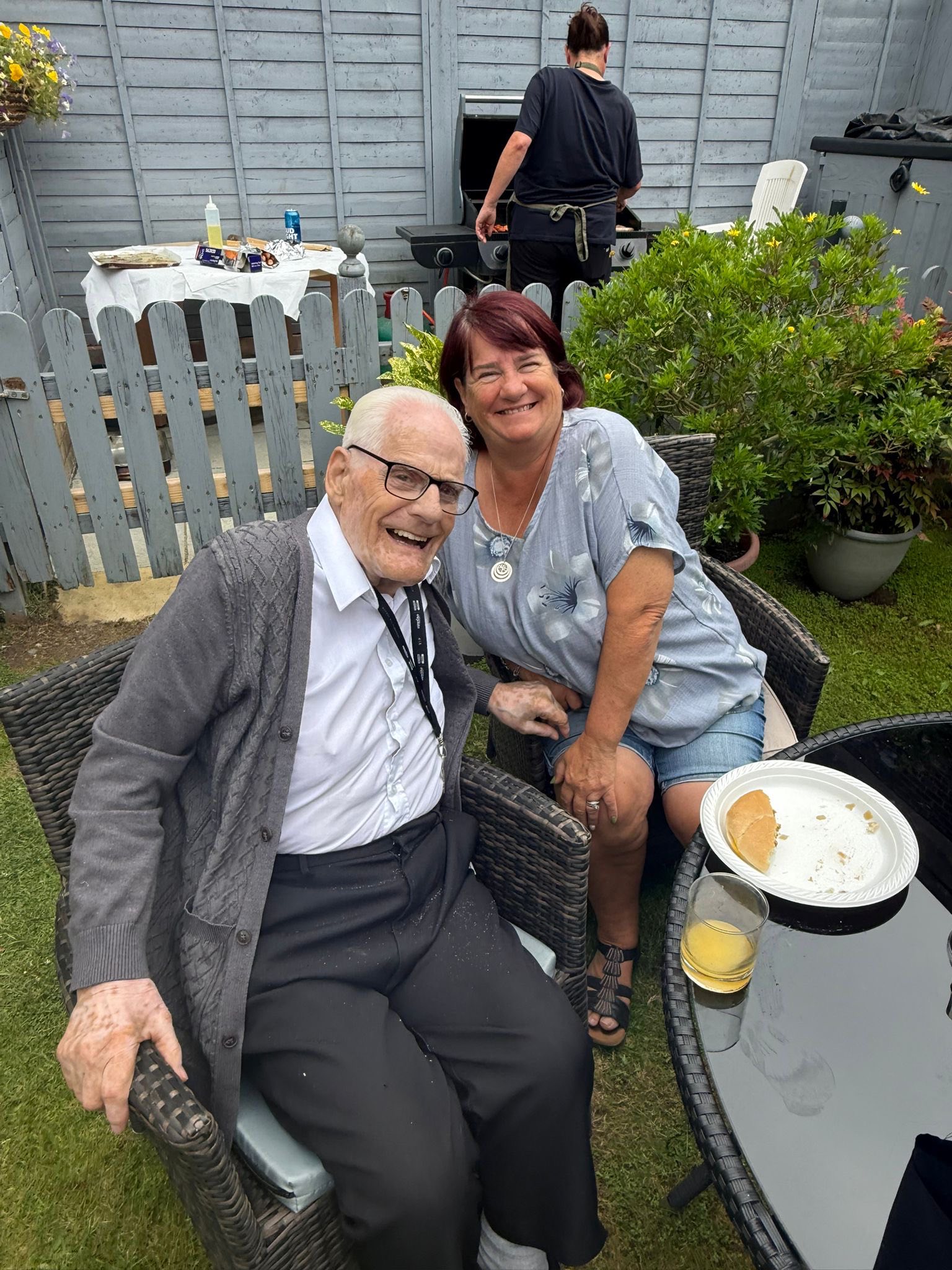
Our beautiful garden spaces are a favourite spot in the warmer months. Residents can often be found enjoying the summer blooms. We’ve also been hosting a number of outdoor activities, from lawn games to afternoon singalongs in the sunshine.

Music, Movement, and Mindfulness

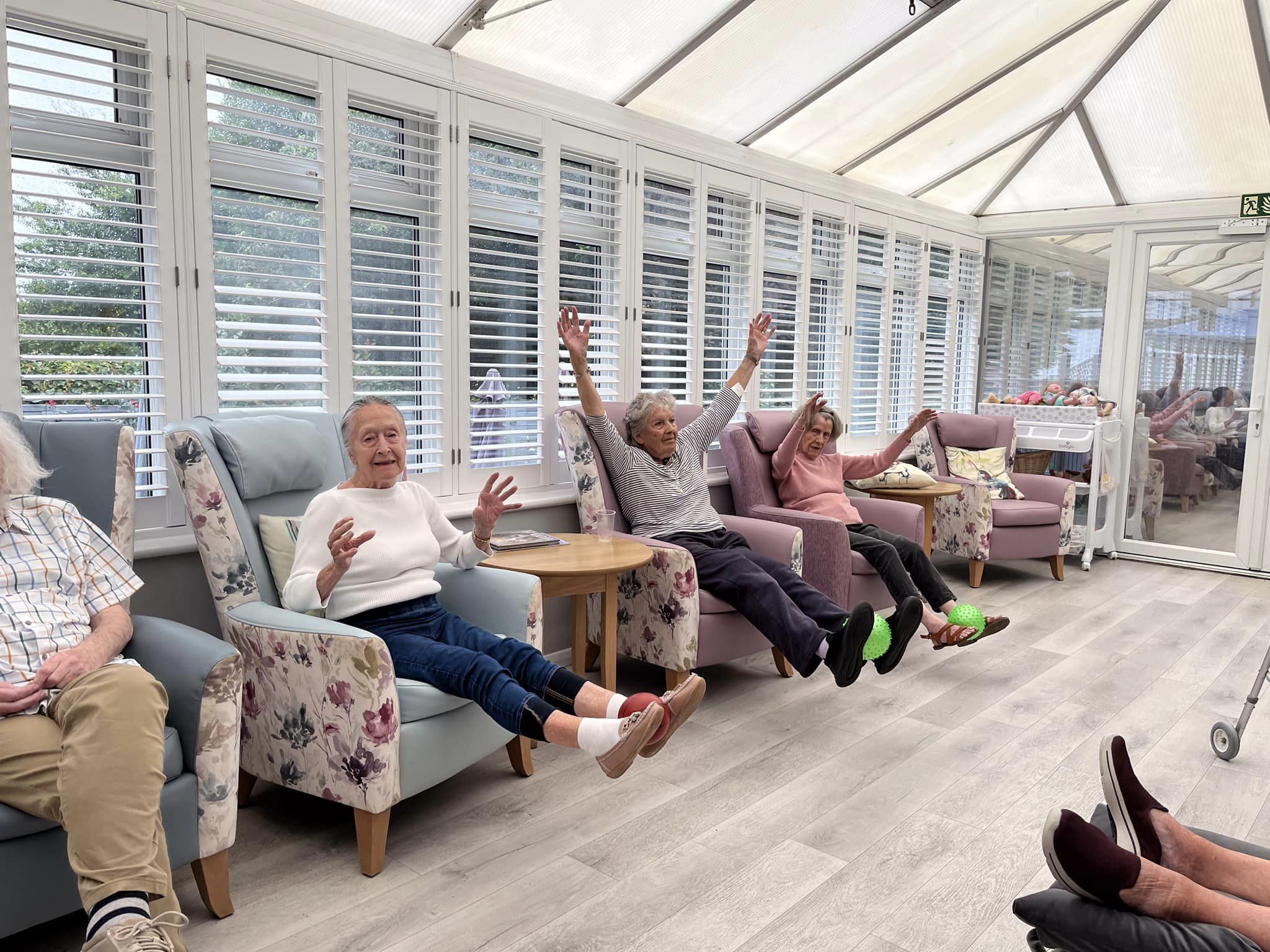
We know how uplifting music can be, so we’ve made sure to include plenty of it in our summer programme – from visiting singers who fill our lounge with familiar favourites, to lively group sessions that get everyone clapping and tapping along. Gentle exercise and mindfulness sessions are also a regular feature, helping to keep bodies active and minds at ease.

Tastes of the Season

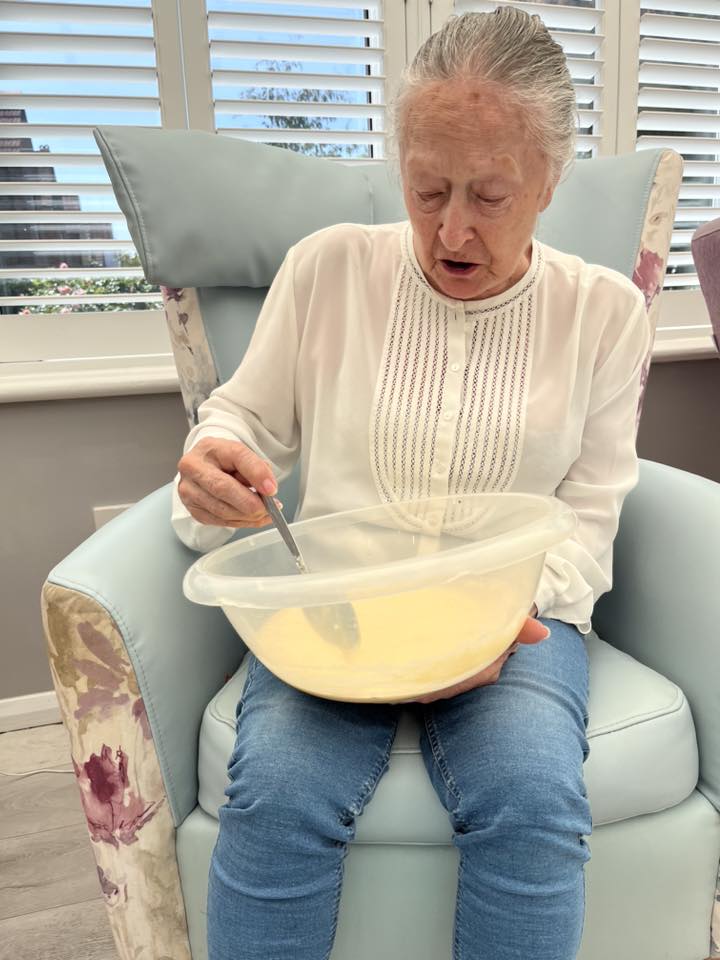
Our kitchen team have been busy creating fresh, seasonal menus – from crisp summer salads and fruit platters to classic afternoon teas served with homemade cakes. Dining together is an important part of life at Grosvenor Lodge, and there’s always room for a little extra treat when the weather is warm.

Creative Afternoons

Arts and crafts sessions remain a much-loved favourite, with residents enjoying everything from painting and flower arranging to making keepsakes for loved ones. The joy of creating something by hand is matched only by the laughter and conversation that fill the room.

A Warm Welcome for All

Family and friends are always welcome at Grosvenor Lodge, whether it’s to join in an event, share a meal, or simply enjoy a cup of tea in the garden. Visitors bring fresh stories, smiles, and a wonderful energy that enriches our days.


A Breath of Fresh Air: How the Seaside Can Soothe and Support Those Living with Dementia

By 18th April, 2025 Care, Dementia Comments Off

A Breath of Fresh Air: How the Seaside Can Soothe and Support Those Living with Dementia

At Fairdene Lodge, nestled close to the coast, we’re lucky enough to witness the simple magic of the seaside every day. For our residents living with dementia, that magic can be more than just a lovely view—it can be profoundly therapeutic.


The Healing Power of the Sea

There’s something timeless and reassuring about the rhythm of the waves, the cries of the gulls, and the scent of salt in the air. These familiar seaside sensations can evoke powerful memories and offer comfort to those living with dementia. Even a gentle walk along the promenade, or simply sitting and watching the tide come in, can bring a sense of calm and connection.


Research has shown that natural environments – especially those near water – can improve mental wellbeing, reduce anxiety, and enhance mood. For people with dementia, who may feel confused or unsettled by unfamiliar surroundings, the sea offers a grounding presence.


A Breath of Sea Air

It’s not just folklore – the fresh sea breeze really can do wonders. Sea air is rich in negative ions, which are believed to increase serotonin levels, helping to improve mood and reduce stress. For those with dementia, who may struggle with low mood or agitation, this gentle, natural lift can make a world of difference.


Breathing in sea air can also encourage deeper, more mindful breathing, which has a calming effect on the nervous system. Combined with the gentle movement of walking on sand or along the shoreline, this creates a sensory experience that soothes both body and mind.


Memories in the Breeze

Many of our residents have cherished memories of childhood holidays, fish and chips on the pier, or days spent paddling in the waves. Being by the sea often stirs these long-held memories—something we see again and again during our outings.


This kind of reminiscence is especially valuable for people with dementia. Recalling positive past experiences can boost self-esteem, trigger conversation, and reinforce identity. We all love getting down to the beach, especially when the sun is shining!

The sea becomes a bridge between the present and the past—a familiar friend who never quite forgets.


Coastal Care at Grosvenor Lodge

At Grosvenor Lodge, we weave the healing power of the coast into our care whenever we can. Whether it’s a trip to the beach, an outdoor tea with a sea view, or a room filled with the sounds of waves and seabirds, we believe in the therapeutic power of nature – especially the nature on our doorstep.


For our residents living with dementia, the sea is more than scenery. It’s a source of peace, memory, and joy.

A fun start to 2025

By 12th February, 2025 Care Home, Events No Comments

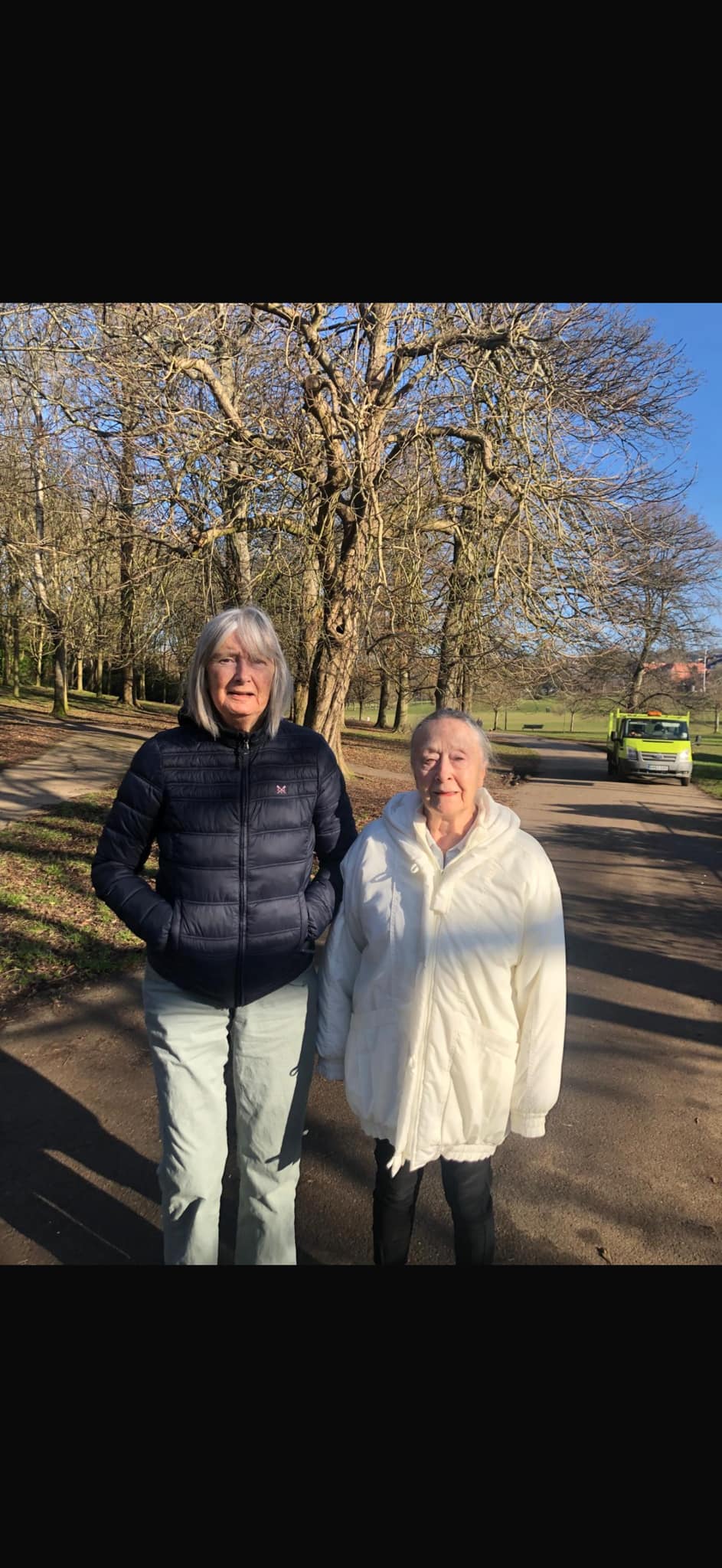
It has been a fantastic start to the year at Grosvenor Lodge. We have got out and about lots, including walks at Hove Rec and Hove Park (normally finished with a coffee in the café), shopping (also followed by coffee!) and some sea air with the Pedal People.

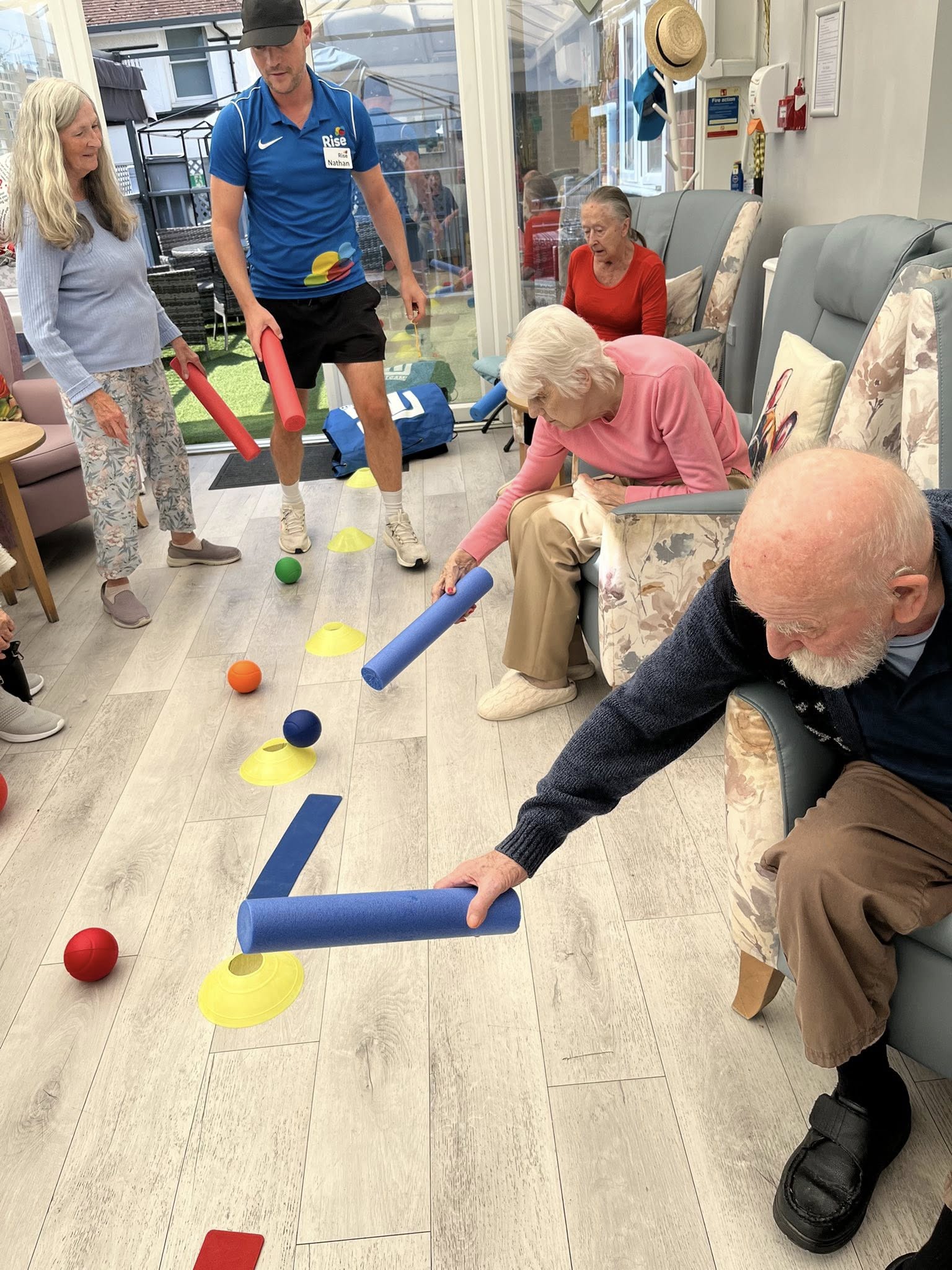
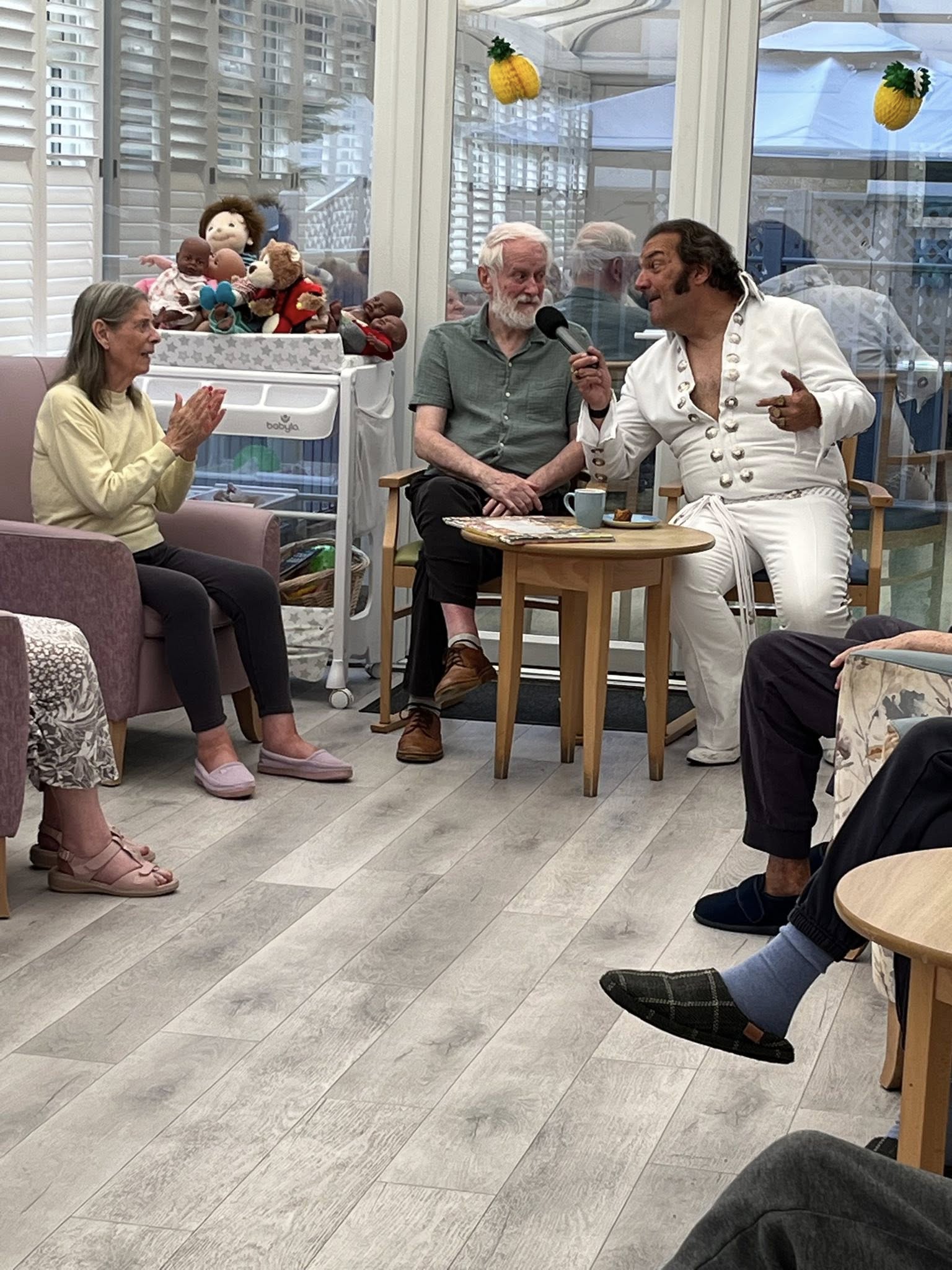
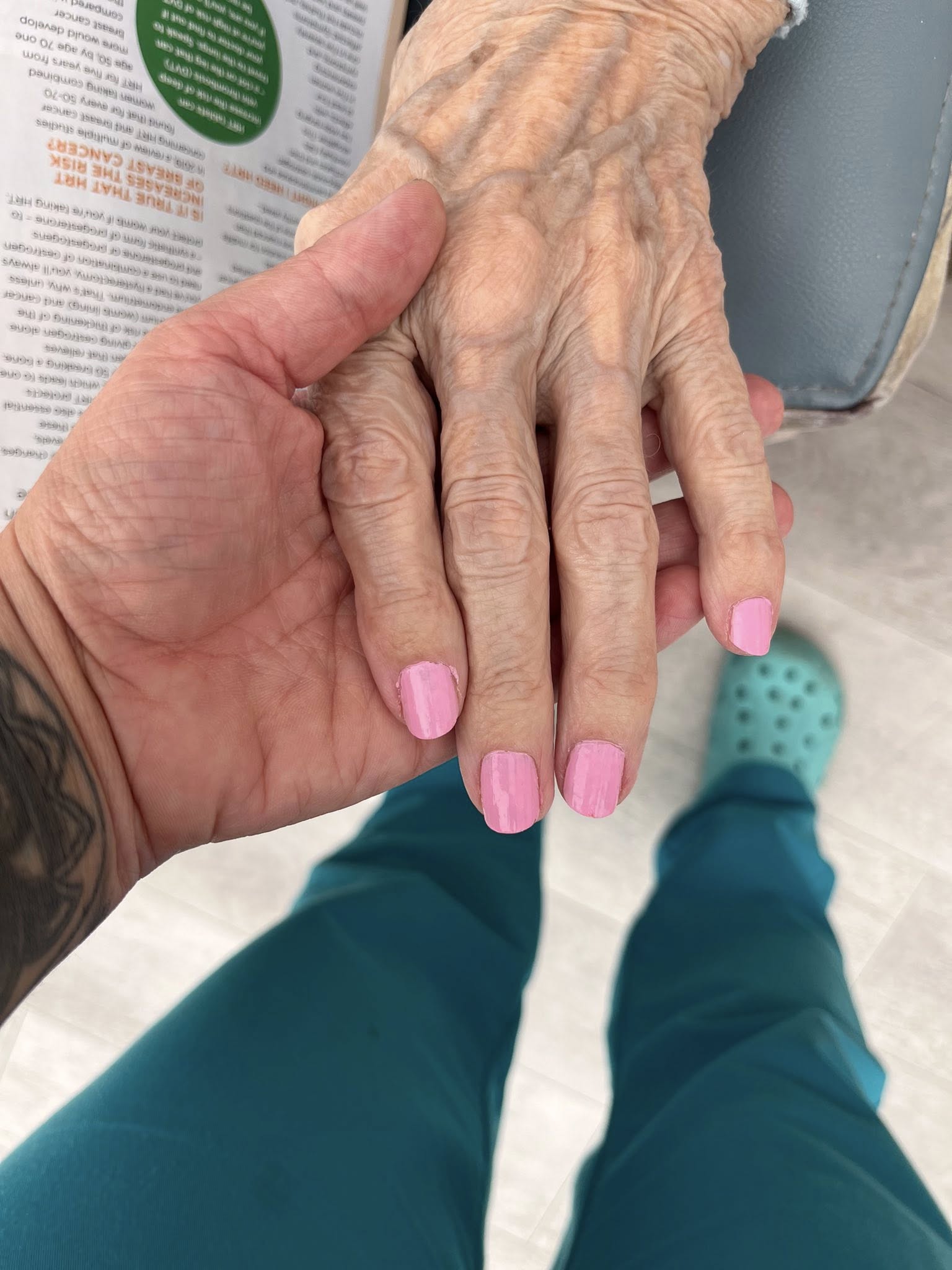
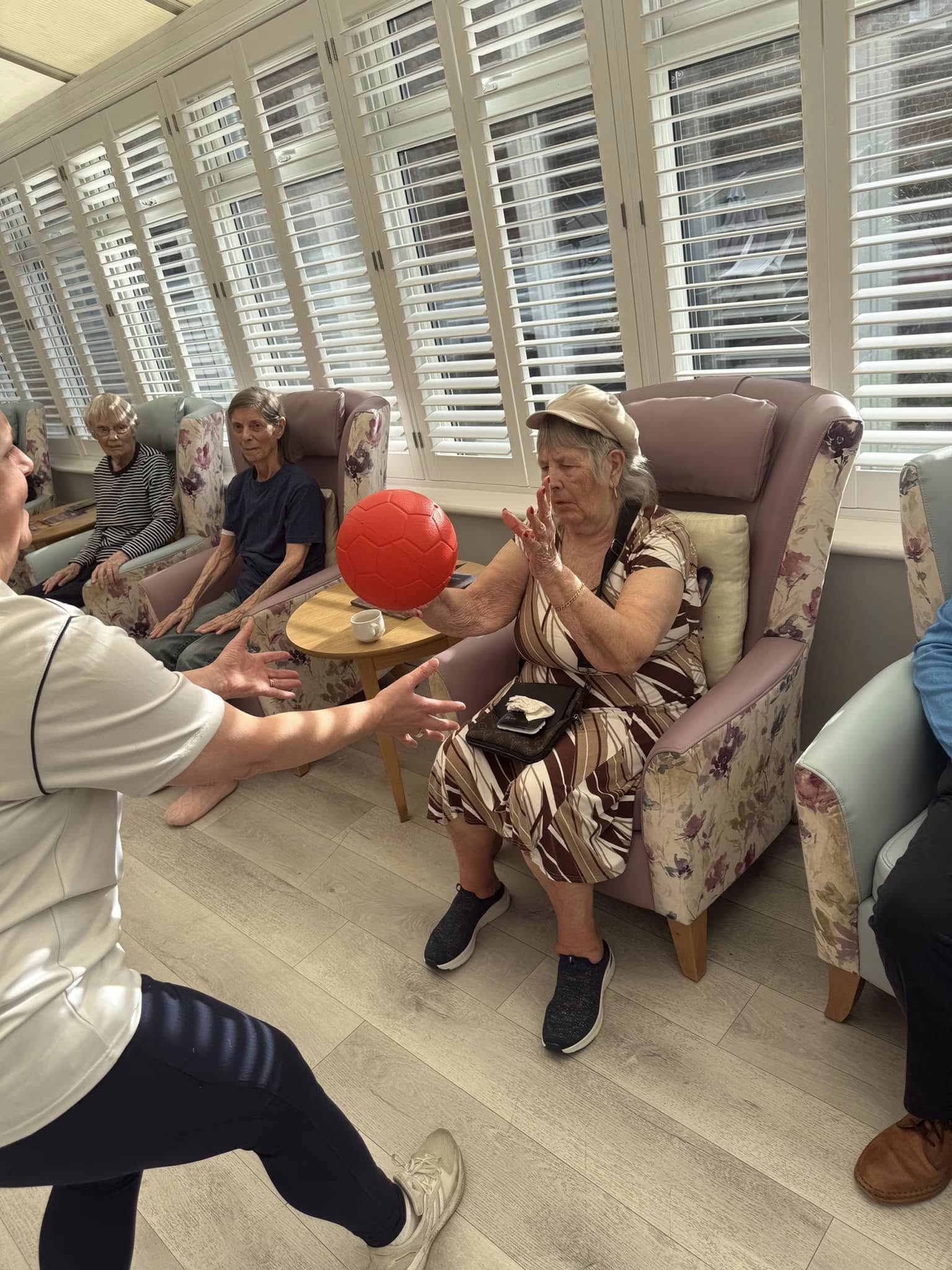
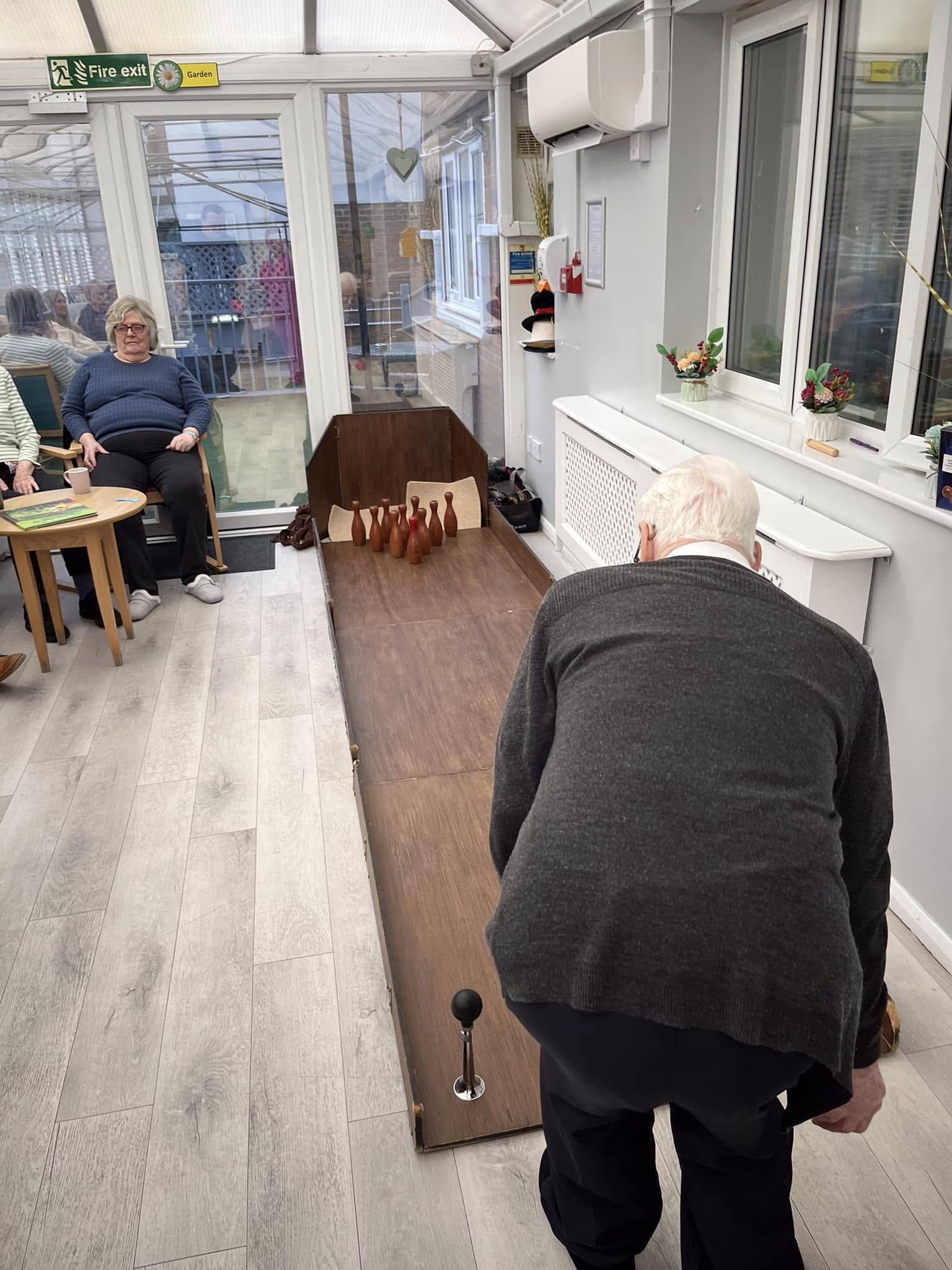
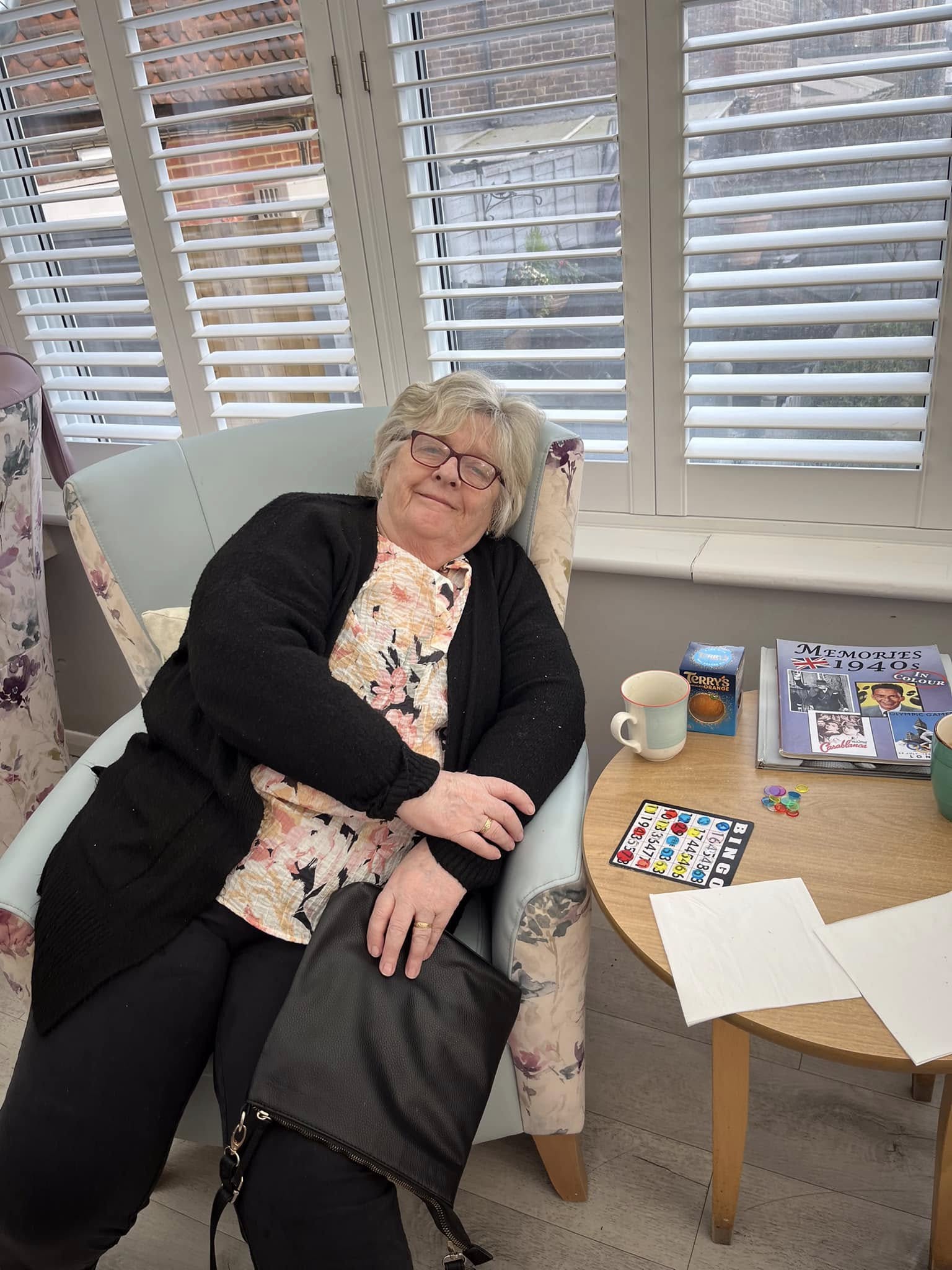
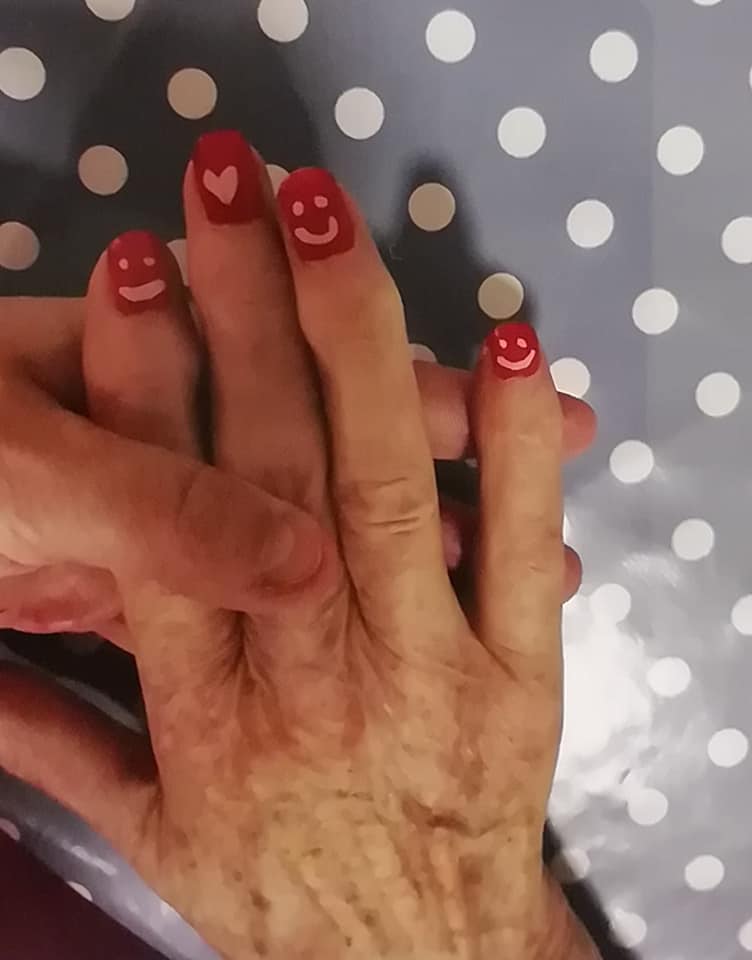
Back at home we have had lots of visitors including Andy with his bowling alley, Pam from Rise which involved netball and a winning team. We also had a visit from the King himself – Elvis (which required a pre-session pamper and lots of beautiful nails!)

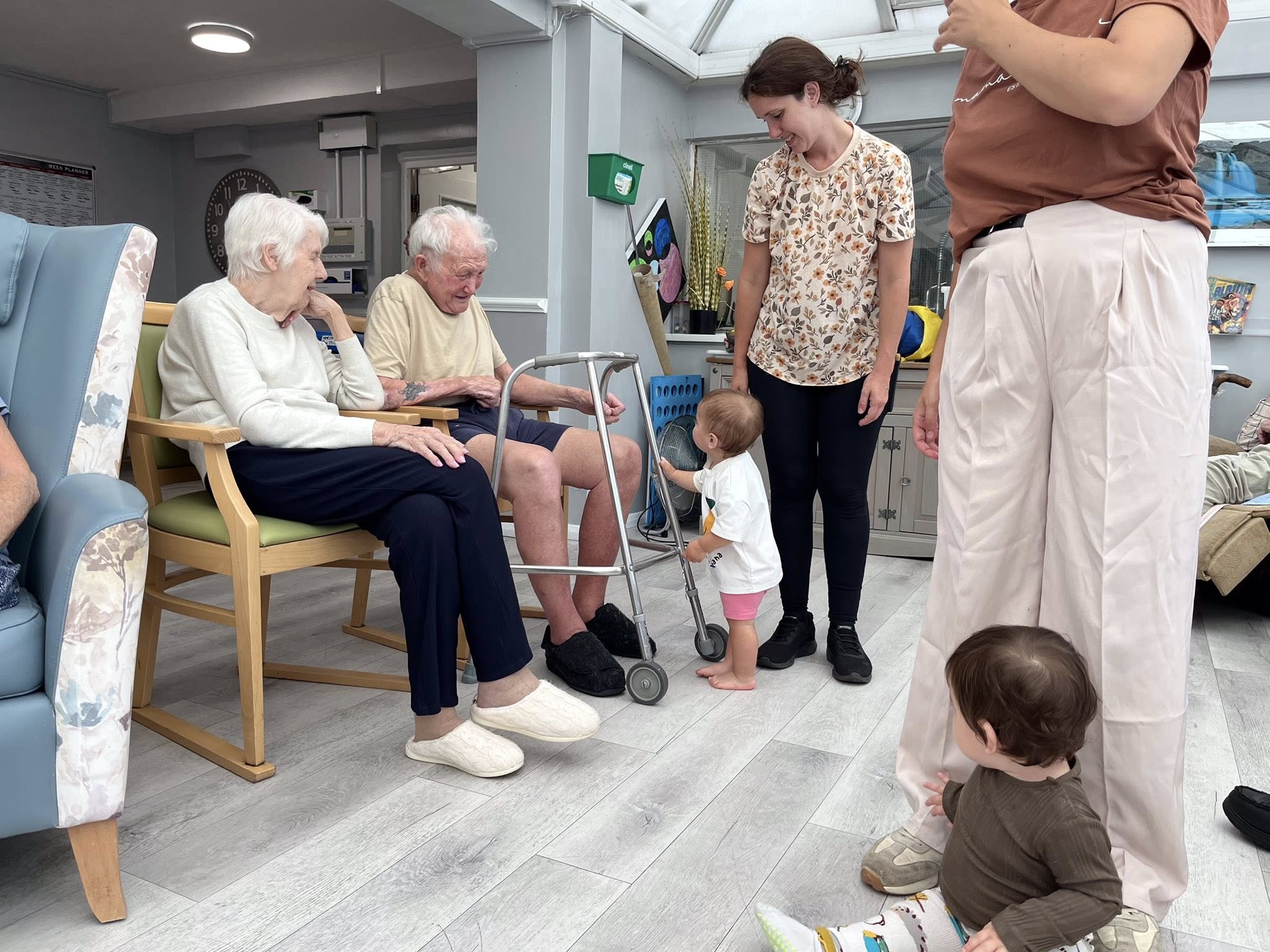
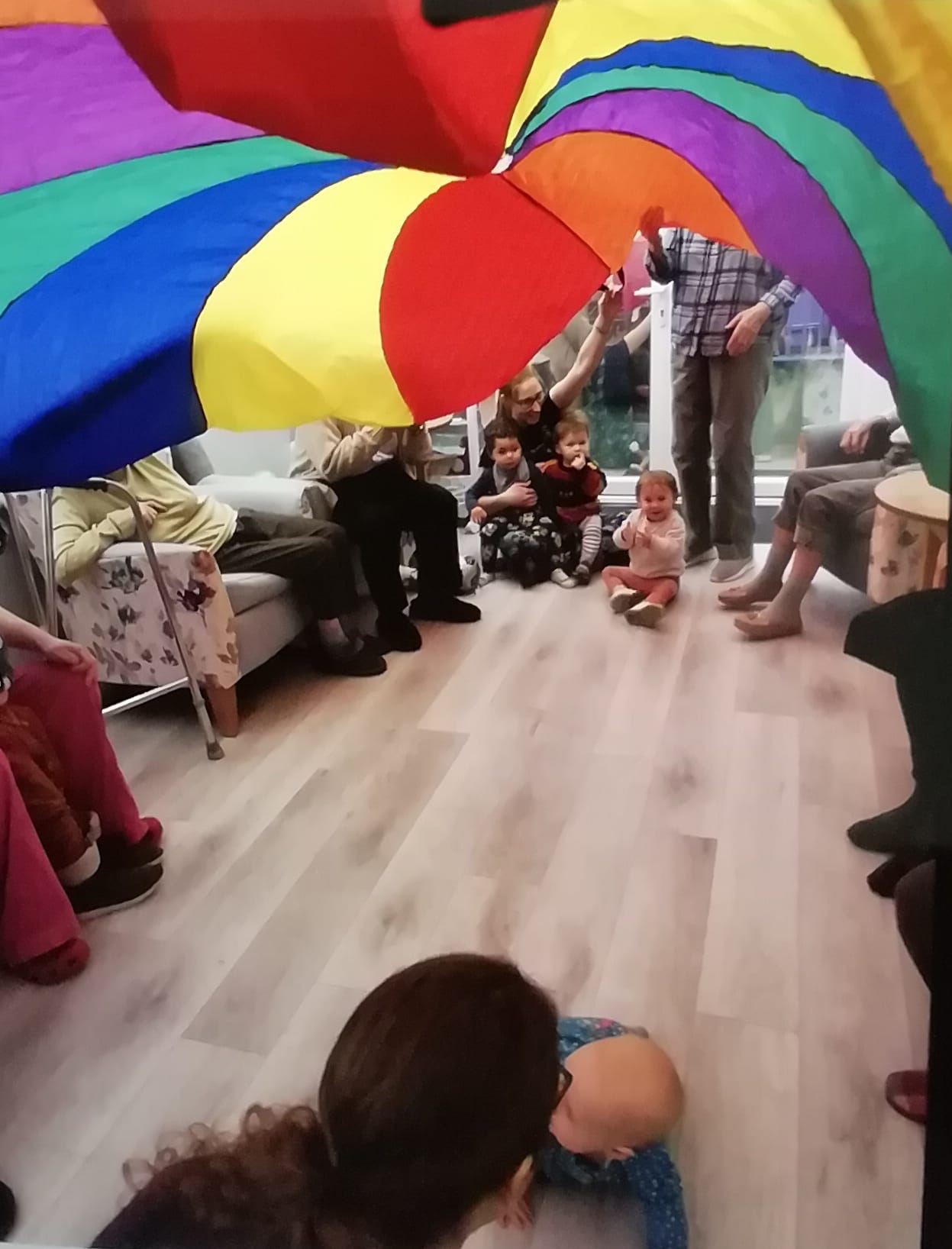
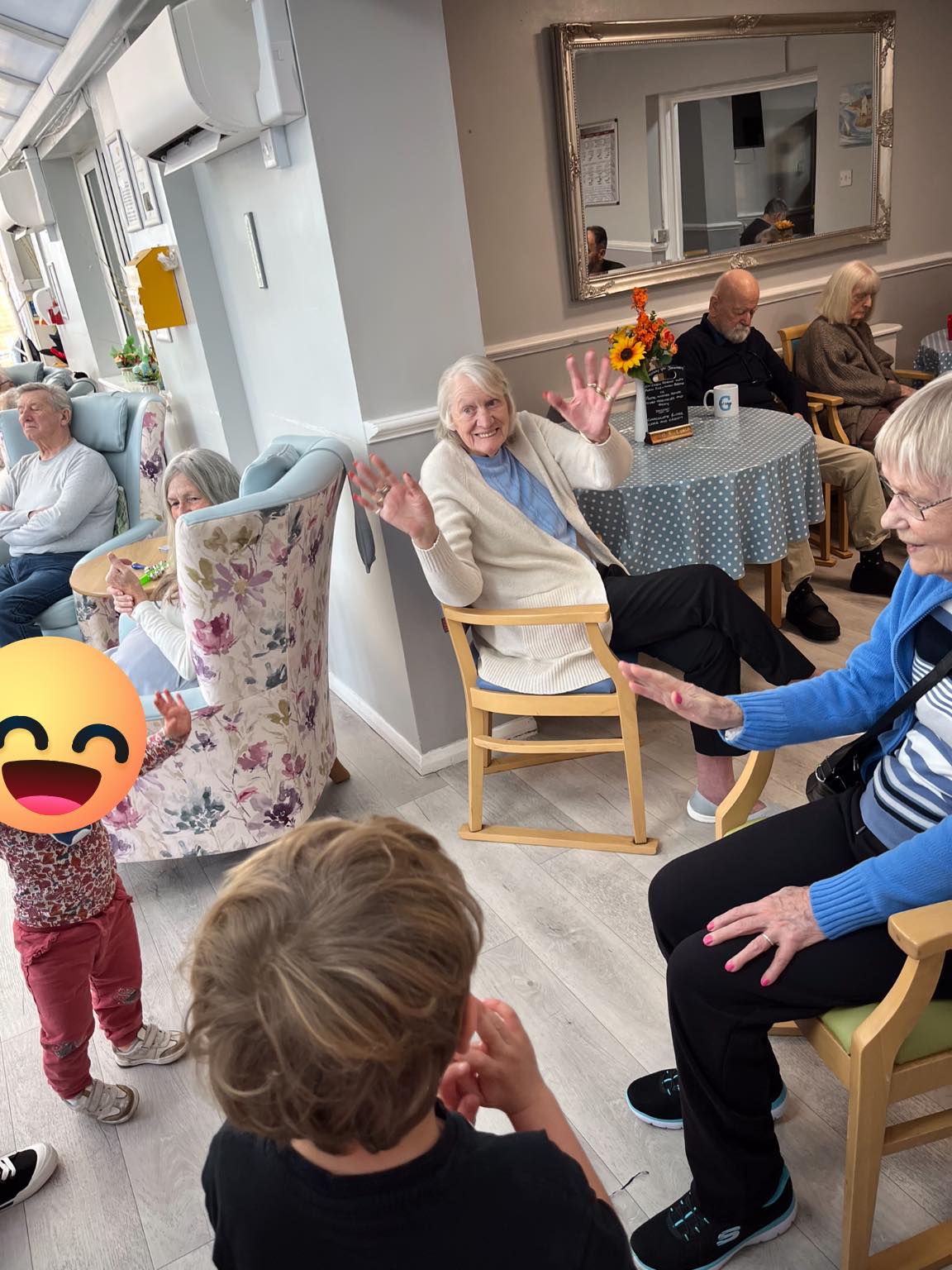
We love our regular visits from the baby club and look forward to getting the parachute out and seeing all the excitement, young and old!

We have also enjoyed arts and crafts. Art has the power to unlock memories and emotions, offering a gentle and meaningful connection for our residents living with Dementia.

Through colours, shapes, and expression, creativity becomes a bridge to moments of joy and comfort.


Happy New Year!

By 9th January, 2025 Care Home No Comments

Welcome to 2025!

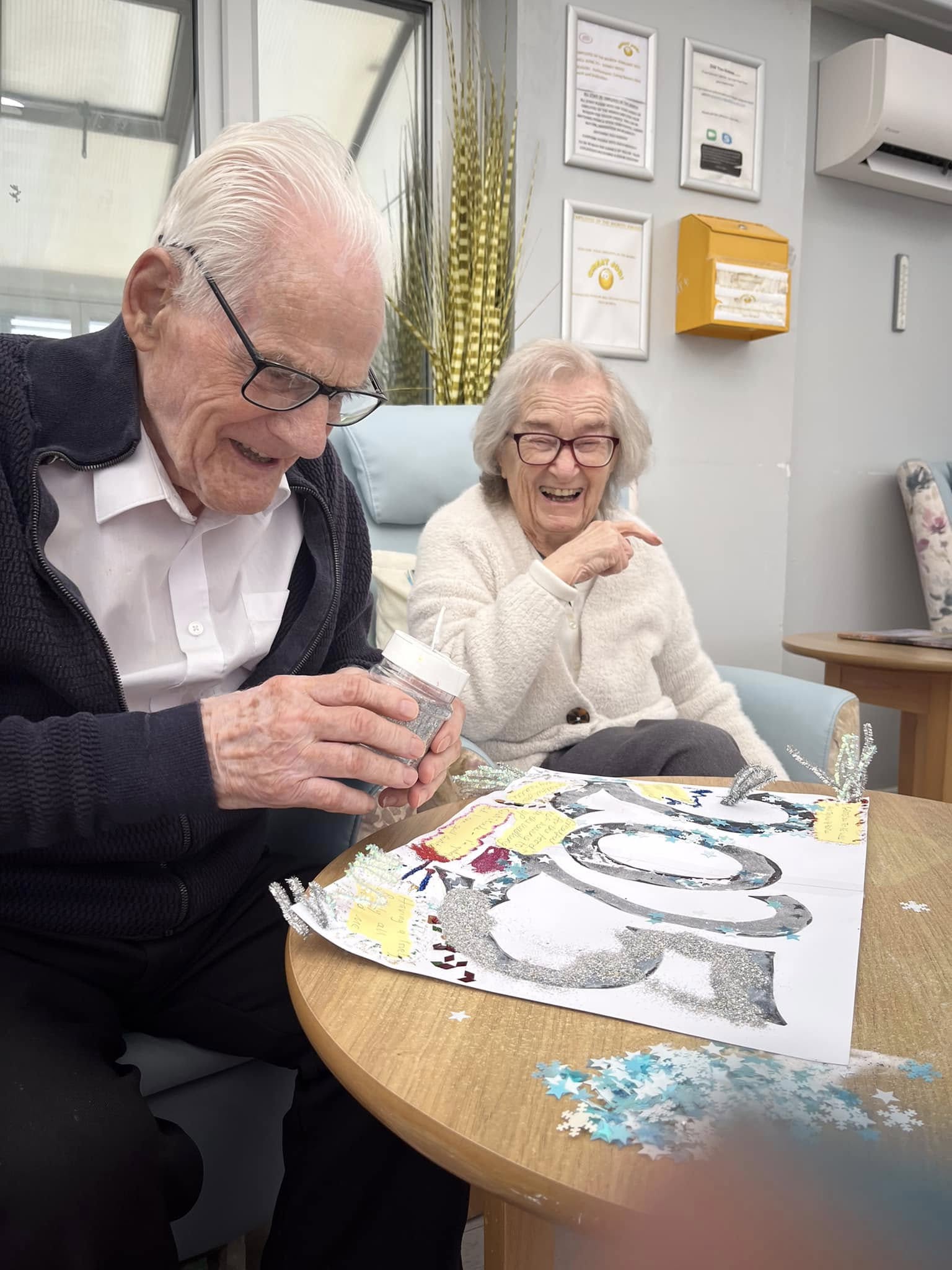
We have had a great start to the New Year. We were feeling glamorous after our post-Christmas pamper, with new nails all round! We made a gratitude tub during December where friends, family, staff and our residents added notes of what we feel grateful for. We decided to make this into a beautiful sign to welcome in the New Year. We all looked beautiful afterwards – covered in glitter!

Over the last week we have enjoyed board games, bingo and our usual baby club, it has been a lovely start to 2025.

We’re looking forward to another year of life at Grosvenor, continuing our commitment to improving and enriching the lives of our residents.
Thank you to all our staff for your ongoing support.

Festive Fun at Grosvenor Lodge

By 18th December, 2024 Events No Comments

At Grosvenor Lodge, Christmas is in full swing. We have a varied entertainment programme, so we are sure there is something for everyone to enjoy. So far we have made our own Christmas crackers, had some fun on the dance floor, and had the cutest visitors from a local nursery.

We were pleased to see Santa pop in early with some much-loved chocolate supplies and we can’t wait for the festivities to continue.

There will be a Christmas relaxation session, more singing and dancing, Christmas crafts, Christmas carols, a pampering session to get us ready for the grand finale Christmas Party!

Here are some of our best bits so far:


The Healing Power of Music: How It Supports People with Dementia

By 27th November, 2024 Care, Care Home, Dementia, Events Comments Off

Music has the extraordinary ability to move us, transport us to distant memories, and evoke deep emotions. For people living with dementia, music can be even more powerful—it can act as a bridge to the past, improve cognitive function, and uplift their spirits. At Grosvenor Lodge, we’ve seen firsthand how music can transform the lives of our residents, helping them find joy and connection in a world that often feels unfamiliar.


Why Music Matters for People with Dementia


Dementia is a complex condition that affects memory, thinking, and behaviour. As dementia progresses, communication and memory become increasingly difficult. Yet, even as verbal skills decline, the ability to engage with music often remains. The areas of the brain associated with music are some of the last to be affected by dementia, which is why music can be such a powerful tool for those living with the condition.


Here are some of the remarkable ways music can benefit people with dementia:


  1. Awakening Memories and Emotions

One of the most well-documented effects of music on people with dementia is its ability to trigger long-forgotten memories. Familiar songs from childhood or early adulthood can evoke vivid recollections and emotions, helping residents remember moments they may have lost. This can lead to beautiful and meaningful interactions between residents and their loved ones, as they recall and share stories from the past.


  1. Reducing Anxiety and Agitation

Dementia can sometimes cause feelings of anxiety, confusion, or agitation. Music, especially calming and familiar melodies, has a soothing effect on the mind and body. Playing a favourite song or piece of classical music can help reduce stress levels, promoting relaxation and a sense of well-being. This can be particularly helpful during moments of distress or transition, such as during mealtimes or before bed.


  1. Improving Mood and Enhancing Engagement

Music has a unique way of lifting the spirit. Upbeat and joyful songs can energise residents, encouraging them to clap along, tap their feet, or even dance. Group sing-alongs can also create a sense of community, giving residents (and staff!) an opportunity to connect with each other in a joyful, shared experience.


  1. Promoting Physical Movement and Coordination

When people with dementia engage with music, it often encourages them to move. Whether it’s swaying gently to a ballad, clapping to the rhythm, or participating in a dance session, these activities promote physical health and coordination. Music therapy sessions that include simple movements can be a fun way for residents to stay active and engaged, even if mobility is limited.


  1. Facilitating Communication

For many people with dementia, expressing thoughts and feelings verbally can be difficult. Music provides a non-verbal way to communicate and express emotions. Residents may find it easier to express themselves through song or by playing simple instruments. Music can also create opportunities for loved ones and caregivers to connect, even when words are hard to come by.


How We Incorporate Music Therapy at Our Care Home


Understanding the power of music, we have made it a central part of our entertainment, activities and therapy sessions. Here are some of the ways we use music to enhance the well-being of our residents:


– Personalised Playlists: We work with families to create playlists of songs that are meaningful to each resident. Each resident has their own Alexa in their room. These personalised playlists are used during one-to-one sessions or quiet times to provide comfort and a sense of familiarity.

– Group Sing-Alongs: Our group singing sessions bring residents together to enjoy the classics, nursery rhymes, or old-time favourites. These activities not only foster social connection but also spark joy and laughter.

– Live Music and Performances: We invite local musicians to perform at our care home, bringing live music experiences to our residents. These performances create a lively atmosphere and give everyone something to look forward to.

– Musical Instruments: Simple instruments like tambourines, maracas, or hand drums are used in sessions to encourage active participation. Residents often enjoy the tactile experience of making music themselves.


The Role of Family and Caregivers


Family members can also use music to connect with their loved ones with dementia. Even something as simple as singing a familiar lullaby or listening to a favourite album together can strengthen the bond between you. At our care home, we encourage families to share the music their loved one enjoys, so we can incorporate it into our care plans.


Music: A Source of Joy and Comfort


Music has the remarkable power to reach beyond the limitations of dementia and touch the hearts and minds of those living with it. In our care home, we’ve seen how a simple melody can bring comfort, rekindle precious memories, and create moments of happiness. We’re proud to use music as a way to enrich the lives of our residents and make every day a little brighter.

*For more information or to schedule a visit, please contact us. We look forward to sharing the joy of music with your loved one.*

Fun at Grosvenor

By 9th July, 2024 Events No Comments

Over the past few weeks we have enjoyed many activities and a wide range to appeal to all the different tastes of our residents.

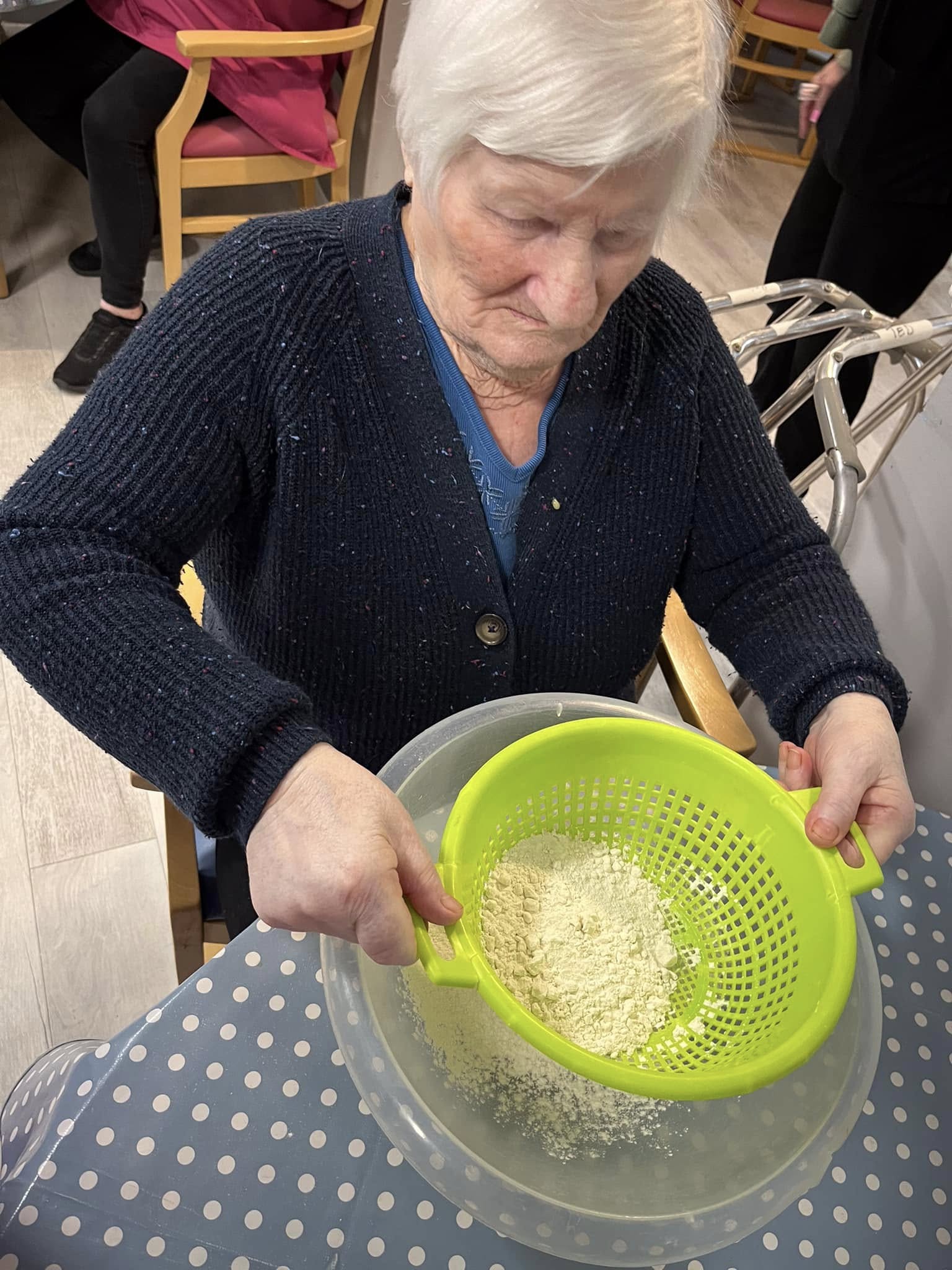
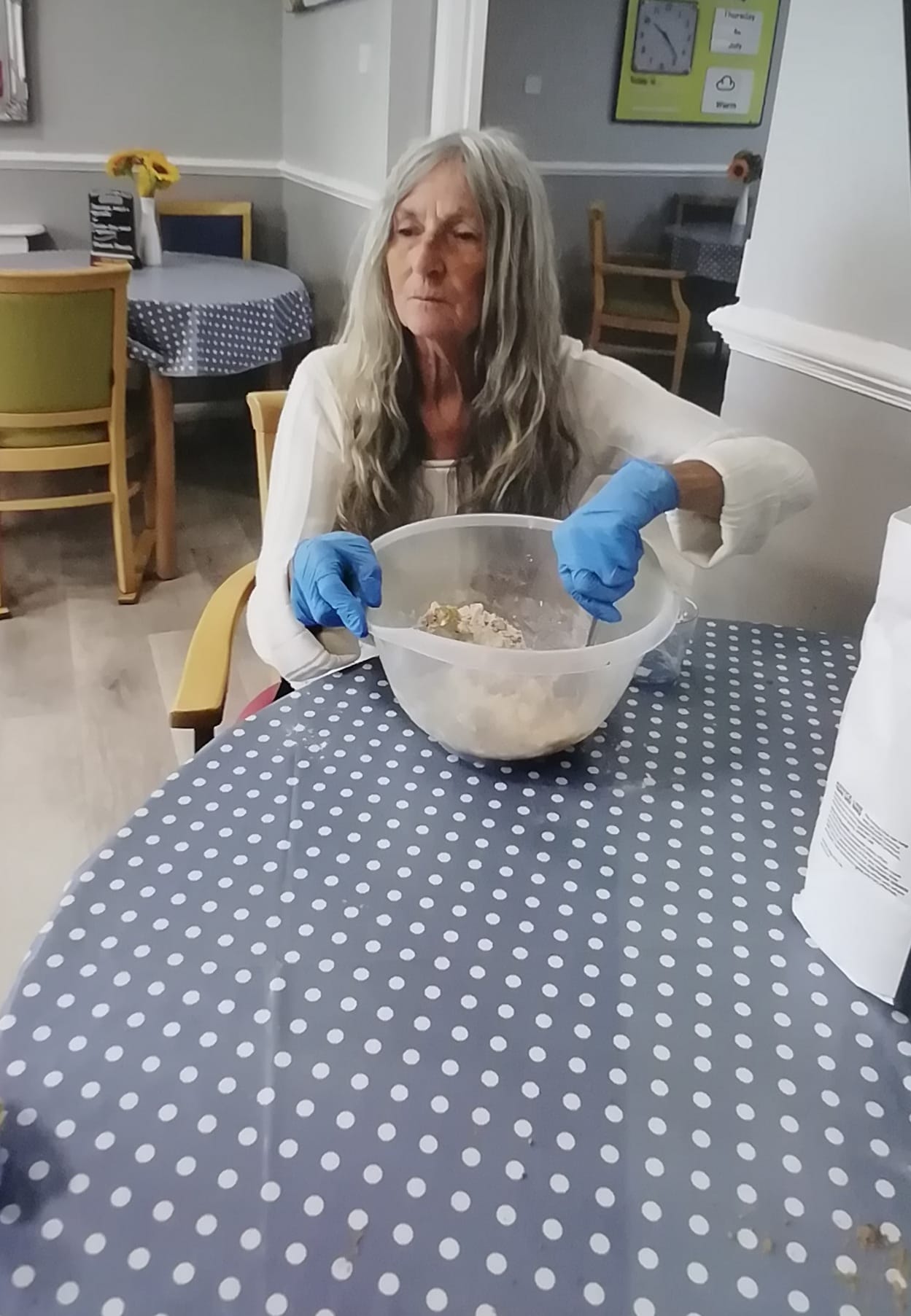
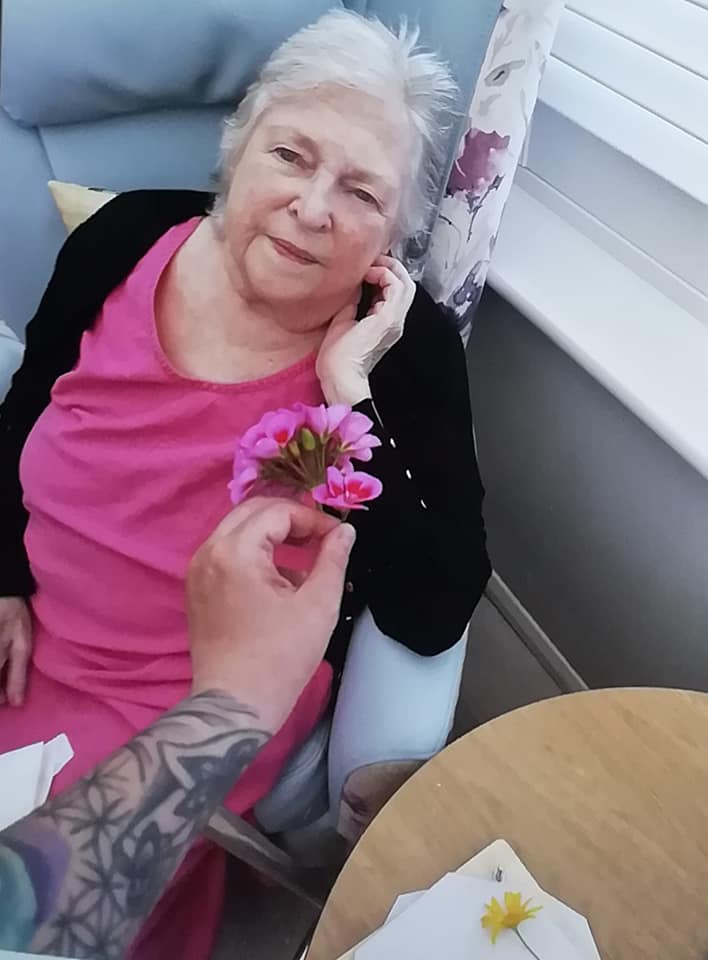
We got creative, making keyrings with pressed flowers from the garden and other little trinkets. Some of the ladies enjoyed a little pamper with nails and hair. We have baked, danced and exercised.

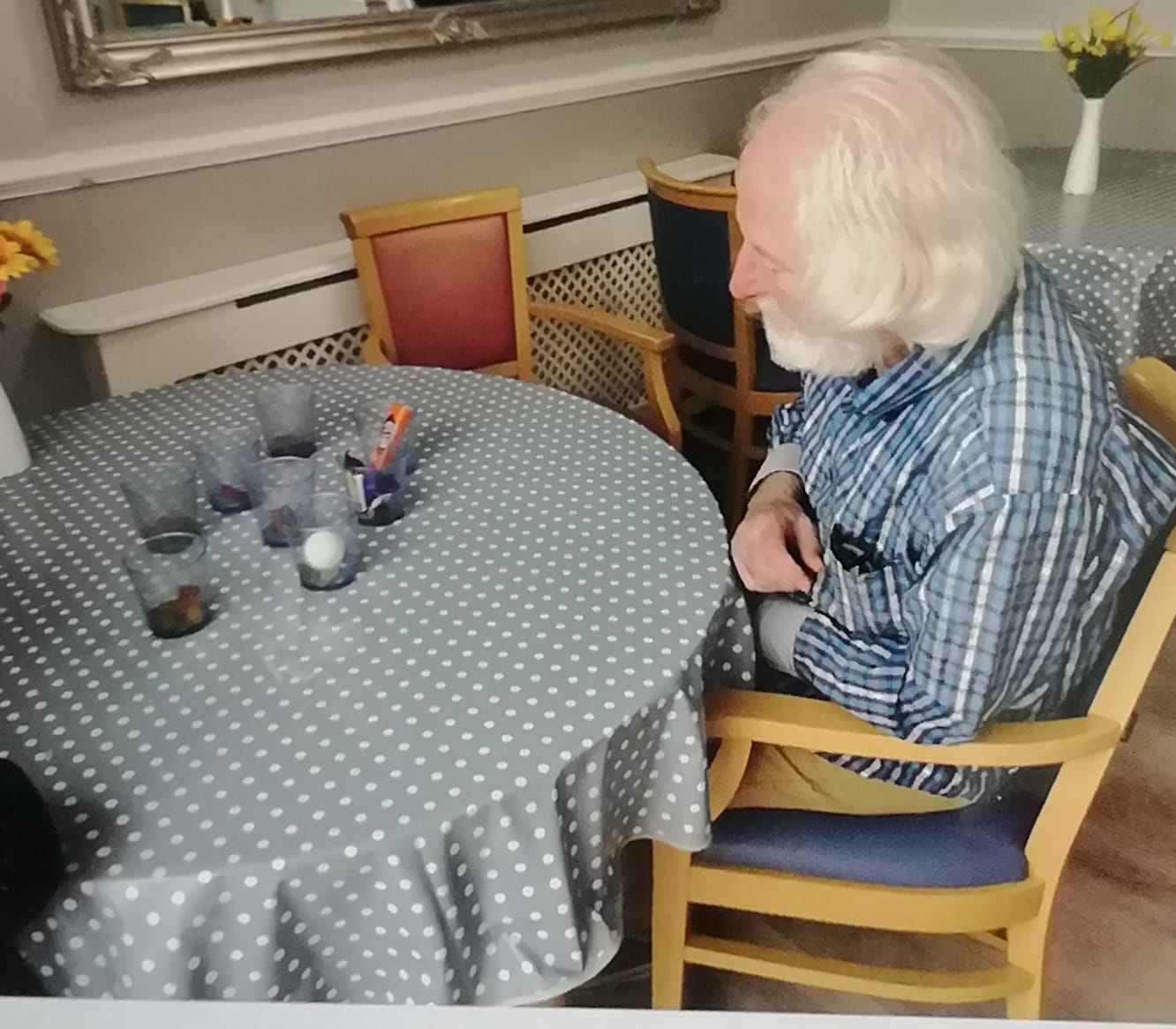
We played lots of different games including  monkey darts, song quiz games and our own version of ‘beer pong’ with sweets inside and chocolate… And a boobie prize of a mushroom.

Some residents chose to head out with the wonderful pedal people, being cycled along the seafront for some fresh air.

During the election we dressed up and acted out the politicians up for election reading their manifestos out so the residents could feel involved in the voting process. We then had a mock vote.

We enjoyed a visit from Pam at rise, playing tennis, exercising our arms and a sports quiz to finish it off.

We also had a visit from Andy the bowling alley man. Eleven residents played and Jean won!

It it’s been jam-packed with lots if fun and interesting things for our residents to enjoy.

Breaking Down the Numbers: Examining Why Dementia Cases are Expected to Double by 2040

By 11th February, 2024 Dementia Comments Off

Imagine a world where memories fade like shadows, identities dissolve into thin air, and loved ones become strangers. This is the haunting reality of dementia – an insidious condition that relentlessly steals away our most cherished moments. And as the clock ticks towards 2040, a chilling forecast looms over us: the number of dementia cases is expected to double. Brace yourself for an eye-opening exploration as we unveil the factors driving this alarming surge in dementia cases and discover potential solutions to stem this heart-wrenching tide.


Dementia is a broad term used to describe a range of symptoms that affect memory, thinking, and social abilities. It is a progressive condition that can greatly impact an individual’s daily life and their ability to carry out simple tasks. As the population continues to age, the number of people living with dementia is expected to rise significantly.


According to recent studies and projections by the World Health Organization (WHO), it is estimated that 50 million people worldwide currently live with dementia. This number is expected to double by 2040, reaching a staggering 100 million individuals. This predicted increase in dementia cases has raised concerns among healthcare professionals and researchers alike.


One of the main reasons for this significant rise in dementia cases is due to our aging global population. As medical advancements continue to improve, people are living longer than ever before. By 2050, it is projected that one-fifth of the world’s population will be over the age of 60, compared to one-tenth in 2011. With increasing age comes an increased risk of developing dementia – approximately one in three people over the age of 85 have some form of dementia.


Another factor contributing to the rise in dementia cases is lifestyle changes. Our modern way of living has led to an increase in conditions such as obesity, diabetes, and high blood pressure – all known risk factors for developing dementia. Additionally, sedentary lifestyles and poor diets can also contribute to cognitive decline.


While age is considered the biggest risk factor for developing dementia, there are several other factors that contribute to this alarming trend.


  1. Aging Population:


As mentioned earlier, increasing age is the most significant risk factor for dementia. With advancements in healthcare and technology, people are now living longer lives than ever before. The World Health Organization (WHO) estimates that the global population aged 60 years and above will reach 2 billion by 2050, up from approximately 900 million in 2015. This unprecedented growth in the aging population means that more people are at risk of developing dementia as they age.


  1. Lifestyle Factors:


Several lifestyle factors have been linked to an increased risk of developing dementia. These include smoking, excessive alcohol consumption, poor diet, lack of physical exercise, and obesity. Studies have shown that individuals who engage in unhealthy behaviours such as smoking and excessive drinking have a higher likelihood of developing cognitive impairments later in life.


Moreover, following an unhealthy diet or not engaging in regular physical activity can lead to conditions like diabetes and heart disease – both known contributors to cognitive decline and dementia.


  1. Genetic Predisposition:


While not everyone with a family history of dementia will develop the condition themselves, genetics plays a crucial role in determining an individual’s susceptibility.


Lifestyle choices that can increase the risk of developing dementia.


While there are many factors that contribute to the development of dementia, lifestyle choices play a significant role. In this section, we will explore some of the lifestyle choices that can increase the risk of developing dementia.


  1. Sedentary Lifestyle:


Leading a sedentary lifestyle, characterised by little or no physical activity, has been linked to an increased risk of developing dementia. Regular exercise helps improve blood flow to the brain, which is essential for maintaining healthy brain function. It also stimulates the production of new nerve cells and promotes neural connections vital for memory and learning.


  1. Unhealthy Diet:


Eating an unhealthy diet high in processed foods, saturated fats, and refined sugars can have detrimental effects on both our physical and mental health. These types of food not only increase cholesterol levels but also lead to inflammation in the body, including the brain. Studies have shown that inflammation in the brain can damage neurons and contribute to cognitive decline.


  1. Smoking:


Smoking is known to be harmful to overall health, but it may also increase the risk of developing dementia. The toxic chemicals in cigarette smoke can damage blood vessels and reduce oxygen supply to the brain, leading to cognitive impairment over time.


  1. Excessive Alcohol Consumption:


Excessive alcohol consumption has been linked to an increased risk of cognitive decline and dementia. Long-term heavy drinking damages brain cells and disrupts communication between neurons. This leads to memory loss, confusion, and other cognitive impairments.


  1. Lack of Mental Stimulation:


Engaging in mentally stimulating activities, such as reading, puzzles, or learning a new skill, is crucial for maintaining brain health. Not challenging our brains can lead to a decline in cognitive function and increase the risk of dementia.


  1. Chronic Stress:


Chronic stress has been linked to an increased risk of developing dementia. Prolonged exposure to stress hormones can damage brain cells and impair memory and other cognitive functions.


  1. Sleep Deprivation:


Getting enough restorative sleep is essential for both physical and mental health. During sleep, the brain flushes out toxins accumulated during the day and consolidates memories. Chronic sleep deprivation has been linked to an increased risk of developing dementia later in life.


  1. Head Injuries:


Repeated head injuries have been associated with an increased risk of developing dementia later in life. It is essential to take precautions to prevent head injuries, especially in high-risk activities like sports or occupations that involve repetitive head trauma.


In conclusion, making healthy lifestyle choices can significantly reduce the risk of developing dementia. It is never too late to adopt healthy habits that can improve overall well-being and protect against this debilitating condition.


Strategies for reducing the risk of developing dementia.


  1. Maintain a Healthy Diet: A balanced and nutritious diet plays a significant role in reducing the risk of various health conditions, including dementia. Following a Mediterranean-style diet rich in fruits, vegetables, whole grains, fish, and healthy fats has shown promising results in lowering the risk of cognitive decline. Additionally, limiting the intake of processed foods, saturated fats, and refined sugars can also have positive impacts on brain health.


  1. Stay Physically Active: Regular physical exercise not only keeps our bodies fit but also has several benefits for our brains. It helps improve blood flow to the brain and promotes the release of chemicals that aid in improving memory and cognitive function. Studies have shown that engaging in moderate-intensity exercises like walking or cycling for at least 30 minutes per day can significantly reduce the risk of developing dementia.


  1. Challenge Your Brain: Keeping your brain active by regularly challenging yourself mentally can help build cognitive reserve – which refers to your ability to withstand neurological damage due to aging or other factors without experiencing noticeable symptoms. Engaging in mentally stimulating activities such as reading, puzzles, learning new skills or languages can help build new neural connections and prevent cognitive decline.


  1. Maintain Social Connections: Loneliness and social isolation have been linked to an increased risk of developing dementia later in life.


One crucial aspect of managing dementia is early detection and diagnosis. Detecting dementia early on can greatly benefit both the individual affected by it and their loved ones. It allows for timely interventions and appropriate management strategies to be put in place, which can improve quality of life and slow down disease progression.


When Others Just Don’t Understand: Coping with Public Misunderstandings of Dementia

By 30th November, 2023 Dementia, Family Related Matters Comments Off

In a world that constantly evolves, one thing remains constant – the power of understanding and empathy. Yet, when it comes to dementia, many find themselves in a whirlwind of public misunderstandings and misconceptions. It’s disheartening to witness our loved ones battling this unyielding condition while society struggles to grasp its true nature. Let’s see how together we can bridge the gap between public perception and the reality faced by those affected by dementia every day.


Dementia is a term used to describe a group of symptoms that affect memory, thinking, and social abilities severely enough to interfere with daily activities. It is a progressive disease that primarily affects older adults, but can also occur in younger individuals.


Unfortunately, despite its prevalence and impact on individuals and families, dementia remains widely misunderstood by the general public. This lack of understanding can lead to significant challenges for those living with dementia and their loved ones.


Myths vs. Facts: Exposing Common Misconceptions about Dementia


One of the biggest misunderstandings about dementia is that it is a normal part of aging. In reality, while age is a risk factor for developing certain types of dementia (such as Alzheimer’s disease), it is not an inevitable part of getting older. Dementia is caused by various diseases or conditions that damage brain cells over time.


Another misconception is that all people with dementia are forgetful or confused all the time. While memory loss and confusion are common symptoms in many types of dementia, not everyone experiences these symptoms in the same way or at the same severity level. Some individuals may have more trouble with language or motor skills instead.


The role of genetics in developing dementia also tends to be misunderstood. While family history can increase one’s risk for certain types of dementia (such as early-onset Alzheimer’s disease), it is not a guarantee that someone will develop the condition. Lifestyle factors, such as diet and exercise, also play a significant role in dementia risk.


One of the most harmful misunderstandings about dementia is that people with the condition are no longer capable of living fulfilling lives or contributing to society. While it is true that dementia can impact an individual’s abilities, it does not mean they are no longer valuable members of their communities. People with dementia can still participate in activities they enjoy and make meaningful connections with others.


The Importance of Accurate Understanding


Misunderstandings about dementia can lead to stigma, discrimination, and barriers to care for those living with the condition. It can also prevent individuals from seeking help and support when needed. By educating ourselves and others about the realities of dementia, we can promote more compassionate and inclusive attitudes towards those affected by this disease.


The impact of public interference on those with dementia and their caregivers


Living with dementia can be an overwhelming and challenging experience, not only for those diagnosed with the disease but also for their caregivers. The journey of managing symptoms, adapting to new changes, and coping with the emotional toll can be much more difficult when faced with public interference and misunderstanding.


The impact of public interference on those with dementia:

Public interference refers to the unwanted and often negative interactions that individuals living with dementia may face in public settings due to misunderstandings about their condition. This could include patronising behaviour, discrimination, or even ridicule from strangers who are unaware of the individual’s diagnosis.


For people living with dementia, these interactions can be stressful and disorienting. They may feel confused or embarrassed by how others are treating them. It can also lead to feelings of isolation and a loss of self-esteem as they struggle to maintain their independence while dealing with a misunderstood condition.


Impact on caregivers:

Caregivers of individuals living with dementia also bear the brunt of public interference. They often have to deal with stares, comments, or judgmental reactions from others when out in public with their loved ones who have dementia. This added stress can make it even more challenging for caregivers to provide care and support for their loved one.


Furthermore, public interference can also result in feelings of guilt or shame for caregivers as they may feel responsible for protecting their loved one from such negative experiences. It can also add to caregiver burnout as they constantly navigate through society’s lack of understanding about dementia.


Strategies for coping with public misunderstandings, including communication techniques and setting boundaries


Dealing with public misunderstandings of dementia can be difficult and frustrating. It can be even more challenging when these misunderstandings come from people we interact with on a regular basis, such as friends, family members, or colleagues. Here are some effective strategies for coping with public misunderstandings of dementia.


  1. Educate yourself and others: One of the most important ways to cope with public misunderstandings of dementia is by educating yourself about the condition and sharing that knowledge with others. This not only helps to dispel common misconceptions but also raises awareness about the realities of living with dementia. You can do this by reading reliable sources, attending support groups or workshops, and staying updated on current research.


  1. Use communication techniques: Effective communication is key in dealing with public misunderstandings of dementia. When discussing the condition with others, it’s important to use clear language that is free from jargon and medical terms. Keep your explanations simple and focus on how the person affected by dementia is feeling rather than just listing symptoms. Also, try to use positive language instead of negative labels like “sufferer” or “victim”. By using positive language and being patient in your communication, you can help others understand better without getting caught up in stigmatising stereotypes.


  1. Share personal experiences: Another way to help people understand what it’s like living with dementia is by sharing personal experiences or stories from those who are actually going through it. Personal stories have a powerful impact on breaking down misunderstandings and building empathy. You can share your own experiences or those of a loved one who has dementia, through writing or speaking at events.


  1. Set boundaries: It’s important to set boundaries when dealing with public misunderstandings of dementia. This means being assertive about what you will and won’t tolerate in terms of language, behaviour, and attitudes towards those affected by dementia. If someone says something inappropriate or hurtful, calmly explain why their words are hurtful and ask them to use more respectful language in the future.


  1. Seek support: Dealing with public misunderstandings of dementia can be emotionally taxing, so it’s important to have a strong support system in place. Reach out to friends and family members who understand the challenges you face and can offer emotional support. You can also join support groups for people living with dementia and their caregivers where you can connect with others who share similar experiences.


  1. Practice self-care: Caring for someone with dementia can be physically and emotionally draining, so it’s crucial to take care of yourself as well. Make time for activities that bring you joy and help you relax, such as reading, listening to music, or going for a walk. It’s also important to maintain a healthy lifestyle by


How to educate others about dementia in a positive and effective way


Unfortunately, due to lack of education and awareness, many people have a negative perception of dementia which can lead to stigma, discrimination, and isolation for those affected by it. As caregivers or loved ones of someone with dementia, it is crucial to educate others about this condition in a positive and effective way to break down these barriers.


Here are some tips on how you can educate others about dementia in a positive and effective way:


  1. Understand the basics: Before trying to educate others about dementia, it’s essential that you first have a good understanding of what it is. Dementia is not a specific disease but rather an umbrella term used to describe symptoms related to a decline in memory or cognitive abilities that interfere with daily life. It’s important to know the difference between dementia and other conditions such as Alzheimer’s disease, as well as its common symptoms and progression.
 

  1. Use person-centred language: The language we use when talking about someone with dementia can have a significant impact on how they are perceived by others. Avoid using derogatory terms like “demented” or “senile” which can be hurtful and stigmatising. Instead, opt for person-centred language such as “person living with dementia” or “person experiencing memory loss.”


  1. Share personal experiences: One of the most powerful ways to educate others about dementia is by sharing personal experiences. Whether you are a caregiver or someone living with dementia, your stories can help others understand the challenges and triumphs of this condition. Be open and honest about your experiences, but also highlight the positive aspects and how you have adapted to a new way of living.


  1. Provide factual information: Many people have misconceptions about dementia, which can lead to fear and misunderstanding. Use factual information from reputable sources such as the Alzheimer’s Association to dispel any myths or misconceptions. This can include statistics, risk factors, and ways to support those with dementia.


  1. Emphasise abilities, not disabilities: People with dementia are still capable individuals who deserve respect and dignity. When educating others about dementia, focus on their abilities rather than their disabilities. Highlight how they can still participate in activities they enjoy and contribute to society in meaningful ways.


  1. Offer resources for support: Educating others about dementia is not just about raising awareness; it’s also about providing support for those affected by it. Share resources such as support groups, respite care services, or educational materials that can help caregivers and individuals with dementia cope with their daily challenges.


  1. Encourage empathy and understanding: It’s important to remember that everyone’s experience with dementia is unique, so it’s essential to promote empathy and understanding. Encourage others to put themselves in the shoes of someone with dementia and consider how they would want to be treated if they were in that situation.


In conclusion, educating others about dementia requires patience, compassion, and a willingness to challenge preconceived notions. By using person-centred language, sharing personal experiences, and providing factual information, you can help break down the stigma surrounding this condition and promote a more positive understanding of dementia.

Unlocking the Potential of Brain-Boosting Foods: Nutritional Strategies for Cognitive Health

By 6th November, 2023 Dementia Comments Off

In an era where mental agility and sharpness are valued more than ever, we find ourselves on a mission to find ways to optimise our brainpower. And what better way to start than by exploring the delicious array of nutritious foods that can nourish our minds? From powering up memory to enhancing focus, ensure you harness the full potential of these nutritional strategies for cognitive health.


Understanding Dementia and its Impact on Cognitive Health


Dementia is a progressive brain disorder that affects millions of people worldwide, with an estimated 47 million cases in 2019 and a projected increase to 131.5 million by 2050 (World Health Organization). It is characterised by a decline in cognitive function, including memory, thinking, behaviour, and the ability to perform daily activities. As we age, our risk of developing dementia increases – with the majority of cases occurring after the age of 65.


One key aspect of understanding dementia is knowing that it does not just affect memory loss; it also impacts other areas such as language skills, decision-making abilities, judgment, attention span, orientation in time and space, and motor functions (Alzheimer’s Society).


The Role of Nutrition in Dementia Prevention and Management


There is growing evidence that a person’s diet plays a crucial role in both the prevention and management of dementia. A poor diet can increase the risk of developing dementia, while a healthy and balanced diet can help improve cognitive function and delay its onset.


So what exactly does nutrition have to do with dementia? Let’s take a closer look at the role it plays in both preventing and managing this condition.


Prevention:

Research has shown that certain dietary patterns are associated with an increased risk of developing dementia. A high intake of saturated fats, refined sugars, processed foods, and alcohol has been linked to an increased risk of cognitive decline.


On the other hand, following a Mediterranean-style diet rich in fruits, vegetables, whole grains, legumes, nuts/seeds, fish/seafood and olive oil has been associated with a reduced risk of developing dementia. This type of diet provides essential nutrients such as antioxidants (vitamins C & E), B vitamins (B6 & B12), omega-3 fatty acids (found in fish/seafood), and polyphenols (found in fruits/vegetables) that have neuroprotective properties.


In addition to following a healthy dietary pattern, there are specific nutrients that have been found to be particularly beneficial for dementia prevention:


  1. Omega-3 fatty acids: These essential fatty acids have anti-inflammatory properties and help improve brain function. They can be found in fatty fish such as salmon, tuna, and sardines, as well as in plant-based sources like chia seeds, flaxseeds, and walnuts.


  1. B vitamins: B vitamins play a crucial role in maintaining brain health and cognitive function. Vitamin B6 and vitamin B12 have been linked to a reduced risk of dementia and may help slow its progression. Good sources of these vitamins include leafy greens, legumes, poultry, eggs, dairy products, fish/seafood, and fortified cereals.


  1. Antioxidants: Antioxidants help protect our cells from damage caused by free radicals. This damage can contribute to the development of dementia. Foods rich in antioxidants include berries (especially blueberries), dark leafy greens (such as spinach and kale), colourful vegetables (like carrots, beets, and bell peppers), nuts/seeds (such as almonds and sunflower seeds), and dark chocolate.


Management:

For individuals already living with dementia, nutrition plays an essential role in managing symptoms and improving overall quality of life. People with dementia often have difficulty maintaining a balanced diet, which can lead to malnutrition and exacerbate their symptoms.


Here are some ways nutrition can help manage dementia:


  1. Weight management: Maintaining a healthy weight is important for individuals with dementia as excess weight can put strain on the heart and increase the risk of other health conditions. Eating a balanced diet and monitoring portion sizes can help maintain a healthy weight.


  1. Blood sugar control: People with dementia may also have underlying conditions such as diabetes that require careful management of blood sugar levels. A diet rich in wholegrains, lean proteins, and healthy fats can help regulate blood sugar levels.


  1. Improved mood: Nutrient deficiencies have been linked to an increased risk of depression and anxiety, which are common among people with dementia. A balanced diet that includes foods rich in B vitamins, omega-3 fatty acids, and antioxidants can help improve mood and reduce symptoms of depression.


  1. Better sleep: Poor sleep is a common symptom of dementia, which can lead to further cognitive decline. Certain nutrients found in foods like kiwi fruit (serotonin), almonds (magnesium), and turkey (tryptophan) have been shown to promote better sleep.


  1. Improved overall wellbeing: A healthy and balanced diet can provide the necessary nutrients to support overall physical health, which in turn can improve overall wellbeing for individuals with dementia. This may include improved energy levels, reduced risk of other chronic health conditions, and better management of symptoms.


Brain-Boosting Foods to Incorporate in Your Diet


Incorporating brain-boosting foods into your diet is a simple yet effective way to improve your cognitive health. These types of foods are rich in nutrients that can enhance brain function, protect against age-related declines, and even help prevent the onset of diseases such as Alzheimer’s and dementia.


  1. Fatty Fish: Fatty fish like salmon, sardines, and mackerel are excellent sources of omega-3 fatty acids, which are essential for brain function and development. These healthy fats have been linked to improved memory, concentration, and mood regulation. They also play a role in reducing inflammation in the brain and protecting against neurodegenerative diseases.


  1. Berries: Berries such as blueberries, strawberries, blackberries, and raspberries are packed with antioxidants that have been shown to improve communication between brain cells and promote new cell growth. They also contain flavonoids that can protect against oxidative stress in the brain and reduce inflammation.


  1. Leafy Greens: Dark leafy greens like spinach, kale, collard greens, and broccoli are rich in vitamins A, C, E, K as well as folate and beta-carotene – all crucial for maintaining good cognitive health. These nutrients work together to reduce inflammation in the brain while promoting healthy blood flow – both important factors for maintaining optimal cognitive function.


  1. Nuts and Seeds: Nuts and seeds like walnuts, almonds, pumpkin seeds, and sunflower seeds are excellent sources of vitamin E. This powerful antioxidant can help protect against cognitive decline and may even reverse age-related declines in brain function. Plus, they are also rich in healthy fats that can improve memory and concentration.


  1. Wholegrains: Wholegrains such as oats, quinoa, brown rice, and wholewheat bread are excellent sources of glucose – the primary source of energy for the brain. They also contain fibre, which helps regulate blood sugar levels and keep you feeling full for longer periods – helping to prevent spikes in blood sugar that can negatively impact cognitive function.


  1. Avocados: Avocados are a great source of monounsaturated fats – a type of healthy fat that helps improve blood flow to the brain. They also contain folate and vitamins B and C – all essential for maintaining good cognitive health. These nutrients have been linked to improved memory and focus.


  1. Eggs: Eggs are an excellent source of protein, choline, vitamins B6 and B12 – all crucial for brain health. Choline is particularly important as it helps produce acetylcholine – a neurotransmitter involved in memory and learning.


In conclusion, nutrition plays a crucial role in both preventing and managing dementia. Following a healthy dietary pattern that includes essential nutrients can help reduce the risk of developing dementia and slow its progression. For individuals already living with dementia, proper nutrition is essential for maintaining overall health and quality of life. Consult with a healthcare professional or registered dietitian for personalised recommendations on how to incorporate a brain-healthy diet into your lifestyle.