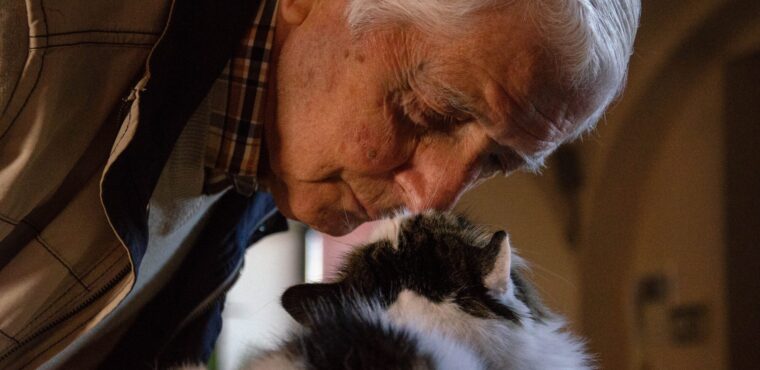
What is the difference between Alzheimer’s and Dementia?

By 1st December, 2022 Dementia Comments Off

What is the Difference Between Alzheimer’s and Dementia?

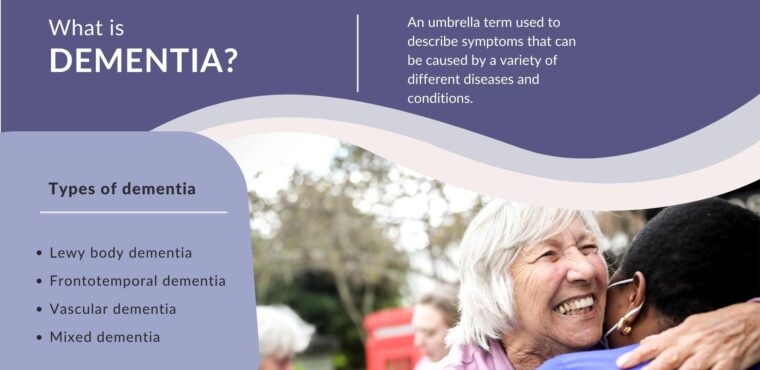
The most important difference between Alzheimer’s and dementia is that Alzheimer’s is a specific disease, while dementia is an umbrella term used to describe symptoms that can be caused by a variety of different diseases and conditions. Alzheimer’s disease specifically affects the brain cells responsible for memory, language, and thinking. Dementia, on the other hand, refers to a general deterioration of cognitive function. While Alzheimer’s is the most common cause of dementia, there are many other potential causes as well, including Lewy body disease, frontotemporal lobar degeneration, and vascular dementia.


The Different Types of Dementia

Each type of dementia has its own set of symptoms and prognosis. Alzheimer’s accounts for 60-80% of cases. Other types of dementia include:

  • Lewy body dementia
  • Frontotemporal dementia
  • Vascular dementia
  • Mixed dementia (a combination of two or more types).


Alzheimer’s disease: Characterized by memory loss, confusion, and difficulty with tasks that require planning and judgment.

Lewy body dementia: Second most common type of dementia, and is characterised by changes in mood and behaviour, as well as problems with movement and balance.

Frontotemporal dementia: Affects the frontal and temporal lobes of the brain, causing changes in personality and behaviour.

Vascular dementia: Occurs when there are problems with blood flow to the brain, typically due to a series of small strokes.


Dementia can lead to a decline in physical and cognitive abilities. Physical abilities may decline due to muscle weakness and problems with balance and coordination. Cognitive abilities may decline due to memory loss and difficulty with planning and judgment. Dementia can also cause changes in mood and behaviour, which can be a challenge for caregivers and loved ones.


How to Diagnose Dementia

If you suspect that you or a loved one may be suffering from dementia, it is important to see a doctor for an accurate diagnosis. Dementia is diagnosed through a clinical evaluation, which includes taking a medical history, conducting a physical exam, and ordering tests to assess cognitive function.


The most important test for diagnosing dementia is the cognitive assessment, which measures memory, attention, language skills, and other thinking abilities. A score of 26 or below on this test indicates dementia. Other tests that may be used to diagnose dementia include brain imaging (CT or MRI scan) and blood tests to rule out other causes of cognitive decline.


Once dementia is diagnosed, it is important to work with a doctor to develop a treatment plan. There is no one-size-fits-all approach to treating dementia, but strategies may include medications to manage symptoms, therapies to improve cognition and function, and support for caregivers.


How Alzheimer’s Effects Memory, Language and Mood

The most common symptom of Alzheimer’s disease is memory loss. This can include forgetting recent events, conversations or people’s names. People with Alzheimer’s may also have difficulty planning or solving problems, and they may experience changes in their mood and personality.


As the disease progresses, people with Alzheimer’s may lose the ability to communicate and follow simple instructions. They may also become confused about time and place, and they may wander off from home. In the late stages of the disease, people with Alzheimer’s may need help with all aspects of their daily care.


There is no one test that can definitively diagnose Alzheimer’s disease. Doctors typically look for a combination of symptoms, including an assessment of a person’s medical history, physical exam and cognitive testing. A diagnosis of Alzheimer’s disease can be made only after ruling out other potential causes of cognitive decline, such as stroke or drug interactions.


Telling a Loved One They Have Dementia

When a family member or close friend is diagnosed with dementia, it can be difficult to know how to break the news. You may feel shocked, scared, and unsure of what to say or do. It’s important to remember that each person experiences dementia differently, so there is no one “right” way to tell them about their diagnosis.


The most important thing is to be honest and open with your loved one. They have a right to know what is happening with their health and should be involved in decisions about their care. If possible, include other family members or friends in the conversation so that they can offer support and answer any questions your loved one may have.


Be prepared for your loved one’s reaction. They may feel angry, sad, or relieved – or some combination of these emotions. It’s okay to cry together or simply just be there for each other in silence. What’s most important is that you provide reassurance that you will still be there for them, no matter what changes occur as their dementia progresses.


Treatments for Dementia

There is no one-size-fits-all answer to the question of how to treat dementia, as the approach that works best will vary depending on the individual and the type of dementia they have. However, there are some general principles that can be followed when it comes to treating this condition.


The first step is to try and identify the cause of the dementia, as this can help inform the treatment plan. If there is an underlying medical condition causing the dementia, then treating this can often improve symptoms or even reverse the condition entirely. It is also important to address any physical or mental health problems that may be contributing to the dementia, such as depression, anxiety, or sleep disorders.


Once any underlying causes have been addressed, there are a number of ways to help manage symptoms and improve quality of life for someone with dementia. There are many different types of medication available that can help with things like memory loss, confusion, and agitation. There are also a number of therapies that can be beneficial, such as cognitive stimulation therapy (CST), which has been shown to improve cognition in people with Alzheimer’s disease.


It is also important to provide support and assistance to caregivers of people with dementia. This can include things like respite care (short-term breaks from caregiving), support groups, and education on how best to provide care.
What is the difference between a residential care home and a nursing home?

By 19th October, 2022 Care, Care Home, Dementia, Family Related Matters Comments Off

When it comes to a time when you need to start reviewing care options for a family member or loved one, it can be a daunting experience. There are various different options and different terminology to navigate, how do you make sure your loved one is going to be properly looked after?


One of the most commonly asked questions is, “what is the difference between a care home and a nursing home?” Put simply, a nursing home has a nurse on-site 24/7 and is therefore a better option for those with greater medical needs. However, the majority of elderly do not need this, they require more support and are no longer able to live at home independently. A care home is best for those who are unable to look after themselves properly due to old age. This may mean they are no longer able to wash themselves, they may have mobility issues or perhaps then need extra support with toileting.


A care home is able to administer drugs to those who need it, however if they require a new prescription there won’t be a nurse on site, instead, they would call a doctor to assess the resident and issue a new prescription.


Some care homes, might have an area of old age they specialise in. For us, at Grosvenor Lodge, that is dementia. This means our staff have experience in looking after people suffering with dementia. They have had training to deal with the challenges that surround looking after those with dementia and the home is designed with those people in mind. For example, the corridors are colour coded to help residents navigate and we use photos and words on room doors to ensure residents can find their room more easily.


As you can imagine, having a nurse on site is expensive and therefore the fees of a nursing home can be considerably higher than those of a care home. Currently (April 2022), a nursing home is on average £180 per week more expensive, over a year this would be over £9000 more expensive than a residential care home.


So, how do you know whether your loved one needs a nursing home? The best place to start is with a needs assessment: https://www.gov.uk/apply-needs-assessment-social-services.  For Sussex the first part of the process is to fill out an online self-assessment and there is a different one for East or West Sussex: East Sussex: https://adultsocialcare.eastsussex.gov.uk/web/portal/pages/preclientasspage

West Sussex: https://www.westsussexconnecttosupport.org/s4s/FormDetails/FillForm?formid=214

Once you have completed the form a member of the social care team will get in contact to discuss your needs in more detail. Depending on what those needs are will determine the next part in the process.


We know getting the help and care you need for a loved one isn’t always easy, we are happy to help guide you through the process. If you would like to discuss your care needs (for you or a loved one), arrange a visit or have a chat about how we can help, please get in touch.

Six reasons to choose Grosvenor Lodge

By 20th September, 2022 Care, Care Home Comments Off
  1. A different type of care

Each of our residents is an individual, a part of the family, and we care for them as such. Each resident has their own care plan uniquely designed for their likes, dislikes and personality. We organise entertainment and outings based on their hobbies and interests from excursions to football (playing and watching!) to trips to Marks and Spencer, even the odd boxing match.


  1. A beautiful home

Our home has been lovingly decorated and furnished to feel like home from home. With helpful colour coding to aid those suffering with dementia to find their way around. All rooms have their own Alexa (loaded with favourite music and stories) or TV for when guests prefer to be on their own.


  1. Outside Space

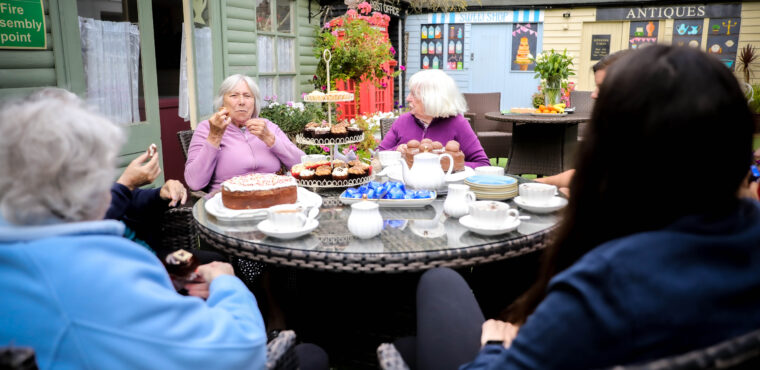
Outside we have a beautifully kept garden with flowers and plants for those green-fingered residents to get involved with, if they wish. Or simply to meet with friends, have a cup of tea or just relax in beautiful surrounding. We also have a tearoom where residents will find some tasty treats and comfy chairs to enjoy.


  1. Food fit for a King and Queen

Our resident chef creates tasty, nutritious meals catering for all dietary requirements. The benefits of fresh fruit, vegetables and a home-cooked meal for those suffering with dementia have been widely documented, so we keep a balanced diet from the Med. We also have lots of tasty treats and a regular tea and cake slot!

  1. We listen

We like to involve our residents in the decision-making, taking their feedback on board to make their home… theirs! We have meetings to discuss the menu, décor, activity programme and endeavour to meet every resident’s requirements.


  1. Dementia Specialists

This is a family run business and has been a part of our family since 1984. During this time, we have grown and developed and most importantly learnt a lot, and we continue to learn. Dementia residents have different needs when it comes to care. We keep up to date with the latest research to help understand our residents and offer them the best possible care.


If you would like to discuss our home for you, a relative or someone you care for, we would be more than happy to arrange a visit or answer any questions you may have over the telephone. Please get in touch.

The benefits of pets or animals for the elderly

By 28th January, 2022 Care, Care Home Comments Off

The benefits of human-animal interaction have been proven in studies over many years now. There’s a reason dogs are dubbed man’s best friend; they provide friendship and companionship to their owners. But that’s not all, there are scientific studies which show that animals can have a positive effect on blood pressure, reducing stress, anxiety and improving the lives of those with Alzheimer’s disease. Therapy dogs are especially good at this and often brought into hospitals and nursing homes to help reduce patients stress and anxiety.

For the elderly one of the main benefits of having a pet is companionship.  For those living on their own life can be lonely and isolating, even more so over the last couple of years. Having a pet such as a dog or cat offers affection, loyalty and companionship which people may otherwise not have. They may go for days without seeing or speaking to anyone and a pet can be especially comforting to have around the house if they’ve lost a loved one and the house seems quite and empty. They can also bring in a routine and responsibility which may otherwise have been lost, for example feeding at regular times and exercising them.

Interacting with animals can also reduce cortisol, which is the body’s stress hormone. So even simple things such as watching the birds out of the window can reduce stress. Maybe try getting a bird feeder on the windowsill to encourage them.

Exercise is a great benefit to owning a pet, obviously depending on the type of pet, I’m not sure how much exercise you’d get watching your fish swim in the tank! But taking a dog for a walk or playing with a cat can help get you up and moving your body. It can also help with socialisation.

If mobility is an issue though caring for a dog or cat may be too much. Studies have shown that watching fish swim in a tank can also relive stress, lower blood pressure and heart rate. There has even been documented health benefits for those with Alzheimer’s disease showing improvements in alertness and eating habits. And it doesn’t need to be in a living tank, even watching fish or animals on the television have also shown to have positive effects on wellbeing.

If you are thinking of getting a pet, please remember that it is a responsibility for the owner. It can be physically demanding so a puppy with lots of energy, running in between legs might not be the best choice. Think about your situation, what you can realistically and physically manage and perhaps opt for something a little lower maintenance.

Whatever you decide, having pets in your life whether yours, borrowed or even watching wildlife on the television can benefit your health and mental wellbeing.