
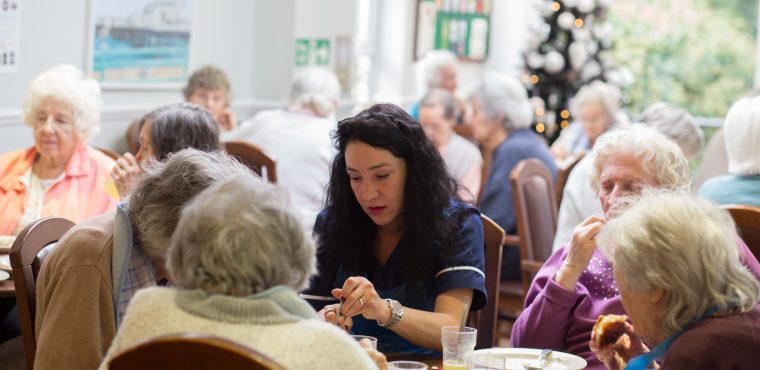
Taking the decision for a loved one to move to a care home can be a scary and upsetting thought. It is often filled with guilt, you may have spent years caring for them and so it is understandable that taking a step back from that role can be very challenging. Ensure you get support from your friends, family and the care team who will be stepping in. You can still be involved in their care, and work with the new team to ensure your loved one is happy and settled in their new setting.
None of us want to admit we can’t cope any more or that we need more support. As we get older it is inevitable that we might need more care and it is important to ask for this help when you need it rather than wait until something happens and you have no choice in the matter.
By creating a plan and taking time to visit different care homes or looking at the different care options you can have control over the decision making. This will give you and your family time to prepare for the next step and also in a lot of cases care homes and care teams may have a waiting list.
Here are some tips to help you in the decision-making process if you feel a care home is the next step:
- Involve the person in the decision
Although you may feel that your loved one does not have the metal capacity to make the decision in their care, it is important to try and involve them in the process. If they are no longer able to communicate you might be able to see different reactions as you tour around different homes which may help guide your decision and also make the transition easier for your loved one.
Due to COVID it might not be possible to have a tour of the care home right now, however the majority have websites, so take a look at the photos on their site, read about their ethos and how they care for their residents. Arrange a video call with the care home manager to ask all the questions you have and to get a feel of how the home is run and the activities that might appeal to your loved one.
Perhaps there is an opportunity for your loved one to join in some activities each week prior to the move so they can get to know some of the residents and become familiar with the home. This would make the transition feel less daunting for everyone involved.
- Choosing the right home
This is the big one, and no doubt the most daunting decision ahead of you. There are lots of resources available on the internet to help you make that decision, but I would draw your attention to Age UK. They have a video to help: https://www.ageuk.org.uk/information-advice/care/arranging-care/care-homes/help-finding-care-home/
They also have a list of questions that you might want to include during the process which you can find here: https://www.ageuk.org.uk/information-advice/care/arranging-care/care-homes/choosing-care-home/
It also has a handy downloadable checklist. By having a checklist and a standard set of questions for each home it will give you a good basis for comparison.
Choosing a home is very much a personal thing, so try to get as much of a feel for daily life as you can, ask about routine and activities, outside space, activities available outside of the home and see if you can picture your loved one enjoying themselves there. If you do get the opportunity to have a tour of the home get a feel for the staff, are they interested in the residents, are they caring, does the home feel welcoming? It may be difficult to do this in current circumstances, however if you are planning in advance perhaps ask to be contacted once they are doing show arounds again.
- Once you have chosen
At this stage the care home should arrange to come and meet your loved one or invite them to the home to meet with some of the team. As I mentioned earlier, if you have some time before the move, it might be nice to arrange a few afternoons or mornings where your loved one spends time at the home getting involved in some of their activities.
During their visits try to give the home as much information about your loved one as possible, this includes how and where they grew up, family, partner, work, interests, hobbies, achievements, music, films. On the Dementia website you could go through the process of creating your loved one’s life story. This is a lovely thing to do together, but don’t try doing it all in one sitting, break it into topics and collect photos to go with the stories. Spending time going through old photos reminiscing is something we love to do at Grosvenor Lodge and having life stories helps us to start the conversation with our residents.
- Moving Day
Try to reduce anxieties and pick a time in the day which you feel will work best for your loved one. If they feel reluctant you could could start with a shorter respite stay to see how they get on.
Make their room homely, put up photographs of loved ones and ornaments and sentimental pieces from home around the room. Finding the right time to leave can be hard, however the care home will be very experienced in this, so talk to them and discuss when they feel is the best time.
Let your loved one know you are leaving and when you plan to return and feel free to call the home and check how they are settling in.
- Settling in
Some care homes ask friends and families not to visit in the first week so they can get your loved one settled. This can feel difficult, however you can phone and check how it is going. When you do visit, encourage your loved one to develop relationships with the other residents and get involved in activities. We are always happy to include visitors in our activities – if you have a skill or hobby you could even host your own activity session.
If you would like any advice about introducing a loved one to our care home, please do not hesitate in contacting us.