
What is the Difference Between Alzheimer’s and Dementia?
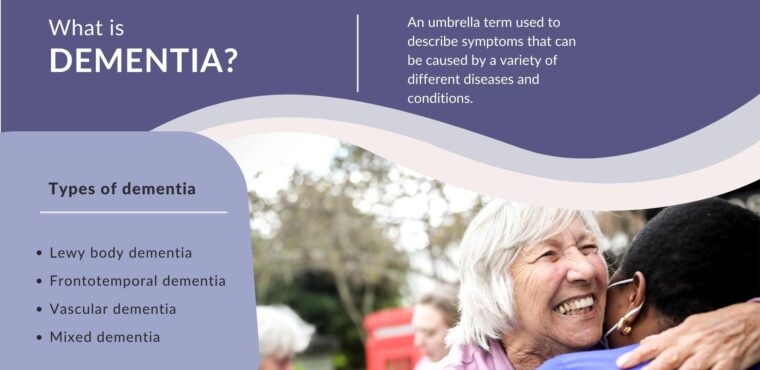
The most important difference between Alzheimer’s and dementia is that Alzheimer’s is a specific disease, while dementia is an umbrella term used to describe symptoms that can be caused by a variety of different diseases and conditions. Alzheimer’s disease specifically affects the brain cells responsible for memory, language, and thinking. Dementia, on the other hand, refers to a general deterioration of cognitive function. While Alzheimer’s is the most common cause of dementia, there are many other potential causes as well, including Lewy body disease, frontotemporal lobar degeneration, and vascular dementia.
The Different Types of Dementia
Each type of dementia has its own set of symptoms and prognosis. Alzheimer’s accounts for 60-80% of cases. Other types of dementia include:
- Lewy body dementia
- Frontotemporal dementia
- Vascular dementia
- Mixed dementia (a combination of two or more types).
Alzheimer’s disease: Characterized by memory loss, confusion, and difficulty with tasks that require planning and judgment.
Lewy body dementia: Second most common type of dementia, and is characterised by changes in mood and behaviour, as well as problems with movement and balance.
Frontotemporal dementia: Affects the frontal and temporal lobes of the brain, causing changes in personality and behaviour.
Vascular dementia: Occurs when there are problems with blood flow to the brain, typically due to a series of small strokes.
Dementia can lead to a decline in physical and cognitive abilities. Physical abilities may decline due to muscle weakness and problems with balance and coordination. Cognitive abilities may decline due to memory loss and difficulty with planning and judgment. Dementia can also cause changes in mood and behaviour, which can be a challenge for caregivers and loved ones.
How to Diagnose Dementia
If you suspect that you or a loved one may be suffering from dementia, it is important to see a doctor for an accurate diagnosis. Dementia is diagnosed through a clinical evaluation, which includes taking a medical history, conducting a physical exam, and ordering tests to assess cognitive function.
The most important test for diagnosing dementia is the cognitive assessment, which measures memory, attention, language skills, and other thinking abilities. A score of 26 or below on this test indicates dementia. Other tests that may be used to diagnose dementia include brain imaging (CT or MRI scan) and blood tests to rule out other causes of cognitive decline.
Once dementia is diagnosed, it is important to work with a doctor to develop a treatment plan. There is no one-size-fits-all approach to treating dementia, but strategies may include medications to manage symptoms, therapies to improve cognition and function, and support for caregivers.
How Alzheimer’s Effects Memory, Language and Mood
The most common symptom of Alzheimer’s disease is memory loss. This can include forgetting recent events, conversations or people’s names. People with Alzheimer’s may also have difficulty planning or solving problems, and they may experience changes in their mood and personality.
As the disease progresses, people with Alzheimer’s may lose the ability to communicate and follow simple instructions. They may also become confused about time and place, and they may wander off from home. In the late stages of the disease, people with Alzheimer’s may need help with all aspects of their daily care.
There is no one test that can definitively diagnose Alzheimer’s disease. Doctors typically look for a combination of symptoms, including an assessment of a person’s medical history, physical exam and cognitive testing. A diagnosis of Alzheimer’s disease can be made only after ruling out other potential causes of cognitive decline, such as stroke or drug interactions.
Telling a Loved One They Have Dementia
When a family member or close friend is diagnosed with dementia, it can be difficult to know how to break the news. You may feel shocked, scared, and unsure of what to say or do. It’s important to remember that each person experiences dementia differently, so there is no one “right” way to tell them about their diagnosis.
The most important thing is to be honest and open with your loved one. They have a right to know what is happening with their health and should be involved in decisions about their care. If possible, include other family members or friends in the conversation so that they can offer support and answer any questions your loved one may have.
Be prepared for your loved one’s reaction. They may feel angry, sad, or relieved – or some combination of these emotions. It’s okay to cry together or simply just be there for each other in silence. What’s most important is that you provide reassurance that you will still be there for them, no matter what changes occur as their dementia progresses.
Treatments for Dementia
There is no one-size-fits-all answer to the question of how to treat dementia, as the approach that works best will vary depending on the individual and the type of dementia they have. However, there are some general principles that can be followed when it comes to treating this condition.
The first step is to try and identify the cause of the dementia, as this can help inform the treatment plan. If there is an underlying medical condition causing the dementia, then treating this can often improve symptoms or even reverse the condition entirely. It is also important to address any physical or mental health problems that may be contributing to the dementia, such as depression, anxiety, or sleep disorders.
Once any underlying causes have been addressed, there are a number of ways to help manage symptoms and improve quality of life for someone with dementia. There are many different types of medication available that can help with things like memory loss, confusion, and agitation. There are also a number of therapies that can be beneficial, such as cognitive stimulation therapy (CST), which has been shown to improve cognition in people with Alzheimer’s disease.
It is also important to provide support and assistance to caregivers of people with dementia. This can include things like respite care (short-term breaks from caregiving), support groups, and education on how best to provide care.